Have you had a garage coating fail before?
No votes yet. Yours will be the first. · saved on this device
Loading...
Garage Floor Brief · Reviews
Reviews of garage floor installers are most useful when they describe a specific slab, a specific system, and how the floor looked a year or more later. This page explains which details signal a genuine, informative review, which complaints point to preparation or scheduling problems you should ask about, and how to use reviews alongside a written proposal rather than instead of one.
Garage Floor Brief does not publish ratings or testimonials, and it does not rank the professionals it forwards requests to. What it can do is explain how to read the reviews you will find on the platforms where installers are listed. Most five-star reviews of a coating are written the week it was installed, when every floor looks good. The useful ones are written after the first summer.
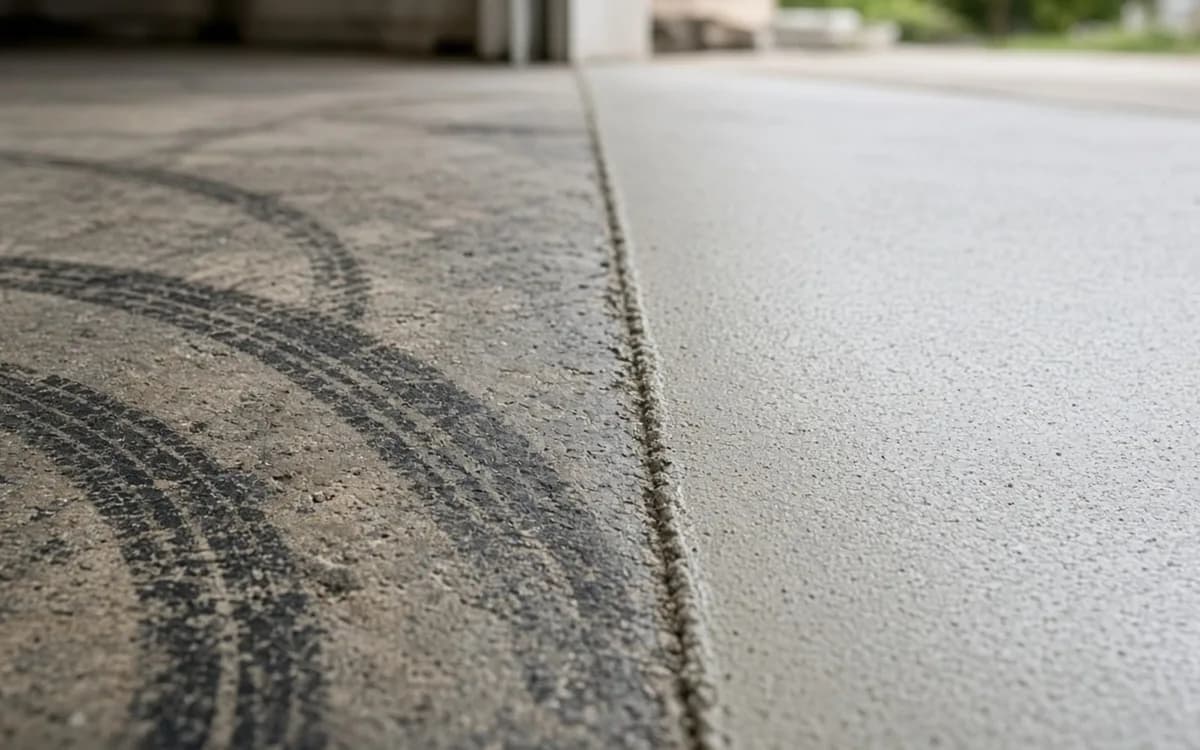
Peeling in the first year is a preparation complaint almost without exception. Reviews that mention coating lifting under the tires, bubbles that appeared in spring, or a patch that came up with tape are describing skipped grinding, a missed moisture problem, or a coating over an old sealer. FloorTek's estimate that under-prepared professional epoxy shows trouble in , and DIY kits in one to two, is the timeline to keep in mind: a floor that failed at eighteen months was not prepped.
Homeowner polls
No votes yet. Yours will be the first. · saved on this device
No votes yet. Yours will be the first. · saved on this device
 Service guideEpoxy Garage Floor Coating
An epoxy garage floor coating is a two-part resin system applied in layers over ground, repaired concrete.
 Service guidePolyaspartic Floor Coating
A polyaspartic floor coating is an aliphatic polyurea system that cures within hours, resists UV yellowing, and tolerates lower application temperatures than epoxy.
 Service guideInterlocking Garage Tiles
Interlocking garage tiles are rigid or flexible modular pieces, usually 12 to 16 inches square, that snap together over the existing concrete without adhesive or curing.
Tell us the size, the condition of what is there now, and what you want to change. Garage Floor Brief passes your request to independent local professionals, who reply with written, no-obligation estimates. The service is free to use.
Complaints about days, dust, and cars are scheduling and communication issues. An installer who promised a one-day epoxy floor and took four did not lie about the product so much as fail to explain it; Garage Living's cure figures put epoxy at up to 7 days before parking. Dust on every shelf means grinding without extraction. These complaints matter, but they are fixable with a clear proposal and a written schedule, which the request form asks pros to provide.
It names the system and the slab condition. It says when cars went back in and whether that matched the promise. It mentions something about the edges or the threshold, because those are what a homeowner notices daily. It is written after some time has passed, and if it is a tile review it mentions noise, creep, or expansion, since those are the real-world tile complaints. It may include a problem and how it was resolved, which says more than a floor that never needed help. Problems do happen: FloorTek, an installer, estimates that professional epoxy starts showing problems in 3–5 years.
A review that reads like a product brochure, uses the installer's marketing language, and was posted the day of installation is not false, but it tells you only that the floor looked good wet. Weight it accordingly. The service pages describe what each system should look like at year five, which is the standard a review should be read against.
Read the reviews for the failure modes, then check the proposal for the safeguards. If several reviews mention hot tire pickup, the failure Hello Garage ties to tires above 140°F, look for the topcoat chemistry in the proposal. If reviews mention moisture blisters, look for the test and its number. If they mention the job running long, look for written return-to-use dates. A proposal that addresses what earlier customers complained about is worth more than one from an installer with no negative reviews and a vague scope. Bob Vila prices a one-car epoxy floor across a wide $720–$2,900 spread; reviews show how the cheaper end ages.
Ask the installer for a floor at least five years old that you can see, and ask the owner how it was prepped. NAHB's estimate that a garage adds ~10% to a home's value is a reminder that this is a permanent surface in a valuable space; a few phone calls are proportionate, especially since an older survey compiled by Garage Living found 80% of buyers factor the garage into a purchase.
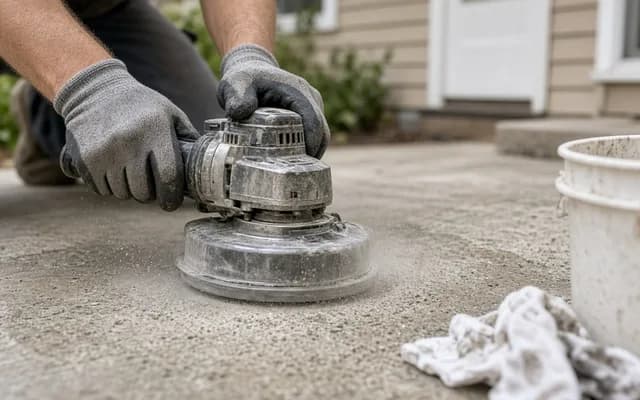
Multiple reviews describing the same failure in the same timeframe. Reviews that mention acid etching as the prep method for a professional coating. Installers who respond to negative reviews by blaming the homeowner for parking on the floor, which is what a garage floor is for. A pattern of change orders on day one for prep that should have been found on the site visit. And any installer whose reviews never mention preparation at all, since that is the part that determines whether the epoxy or polyaspartic system lasts.
Because a rating from a matching site is a conflict of interest and rarely reflects how a floor performs years later. The professionals who receive your request have public reviews on the platforms where they are listed, and this page helps you read those. The site's role is to give you sourced context and a checklist, not a score.
Enough that you can find several written after a summer, with system and prep details. Ten recent reviews with specifics beat a hundred day-of-install five-star posts. A newer installer with few reviews can still be a fine choice if their proposal is itemized and they will show you an older floor.
Treat them as marketing. They are selected by the installer and rarely include problems. Third-party platforms are better, and best of all is a reference you can call and a floor you can visit. Ask specifically for a customer whose floor is five or more years old.
Usually that rigid open-back tiles were installed where the homeowner expected quiet. It is a specification mismatch rather than bad work. If quiet matters to you, ask for solid-back or flexible PVC tiles and walk on samples. A review that mentions buckling at the door is more serious; that is an installation error involving the expansion gap.
How the slab was prepped and whether a moisture reading was taken. When the cars went back in versus what was promised. Whether the edges and threshold were finished as described. Whether any problem came up and how the installer responded. And, simply, whether they would hire the same company for the next garage.
Sometimes, and they are the most informative reviews you will find. A homeowner who had a spot lift and got it repaired promptly under warranty is describing an installer who stands behind the work. A homeowner who describes unanswered calls is describing the opposite. Weight these more than any number of glowing first-week posts.
Only loosely. Franchises share products and warranties, but each location is its own crew, and prep quality is local. Read reviews for the specific location that would do your floor, and ask that crew the same prep and schedule questions you would ask an independent.
Concrete grinding and preparation means mechanically profiling a garage slab, removing old coatings and contamination, repairing cracks and spalls, and testing moisture so that a bonded coating can adhere.