What triggered the garage floor project?
No votes yet. Yours will be the first. · saved on this device
Loading...
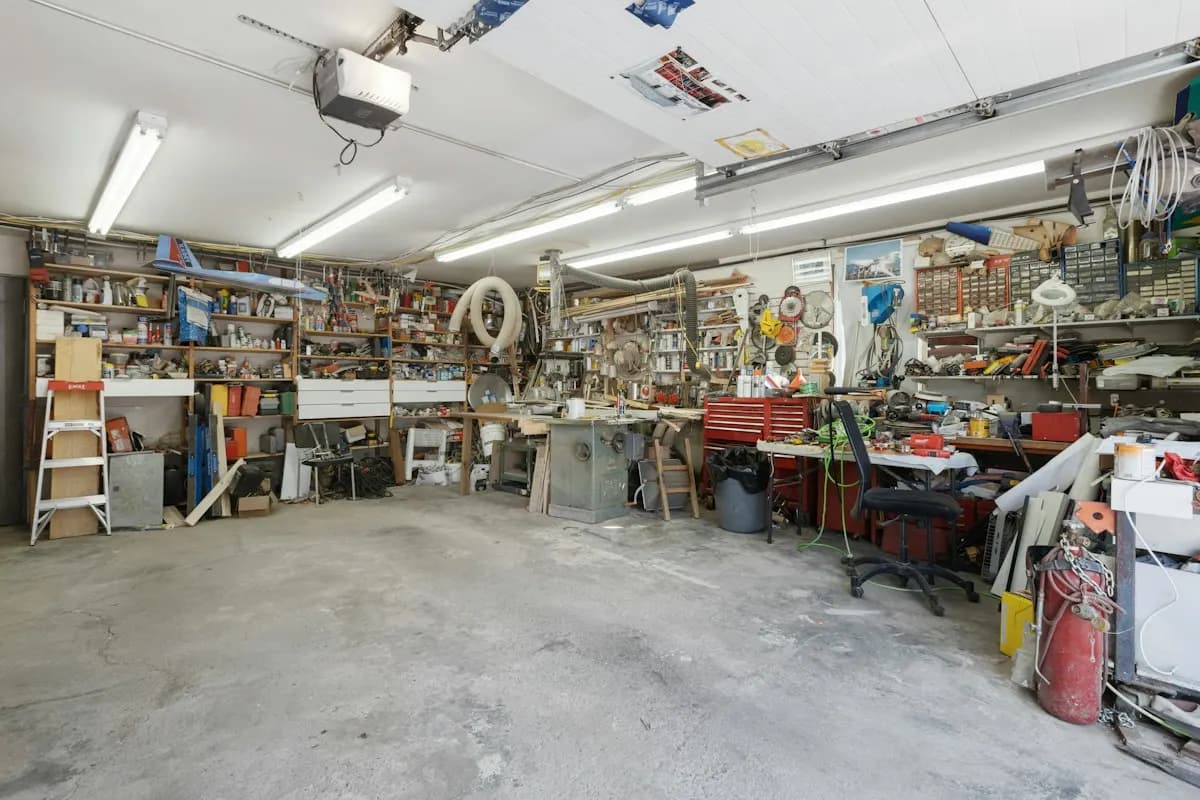
Garage Floor Brief · Planning articles
This library holds four long guides for homeowners planning a garage floor: how to plan the project around your slab and schedule, what coatings and tiles cost in 2026, how epoxy, polyaspartic, tiles and mats differ as materials, and when a permit, code section or association rule applies. Every figure names its publisher so you can check it before you rely on it.
Photo: Point3D Commercial Imaging Ltd. · License.
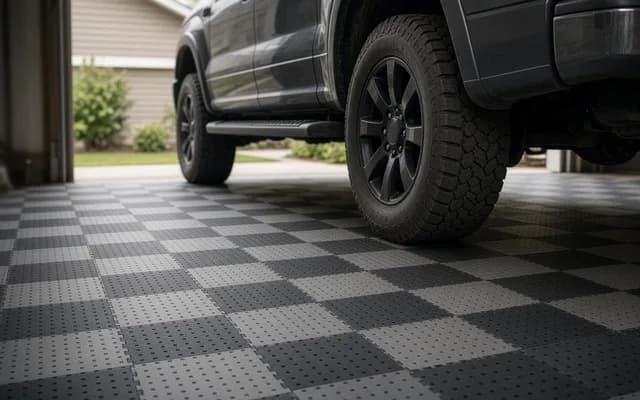 PlanningHow to plan a garage floor project from first look to final walk-through
Plan a garage floor by defining how the space is used, checking the slab for moisture, cracks and old coatings, deciding how long the garage can sit empty, and choosing a season that suits the chemistry.
 CostsGarage floor coating cost in 2026: every system, every garage size
A professionally coated two-car garage costs roughly $1,600 to $6,900 in 2026 according to Duration Concrete Coatings, with epoxy toward the low end and polyaspartic toward the high end.
MaterialsGarage floor materials: what each system is made of and how it failsGarage floors fall into three families: bonded resin coatings such as epoxy and polyaspartic, loose-laid interlocking tiles, and roll-out mats.
PermitsDo you need a permit for a garage floor? Codes, inspections and HOA rulesA coating or tile floor laid over an existing garage slab usually needs no building permit, because it is treated as a surface finish.
Most garage floor regret is set in motion long before the installer arrives. A homeowner compares a flat price per square foot from one company with a line-item proposal from another, never sees a moisture reading, and books the job for a week when the cars have nowhere else to go. The guides in this library move those decisions to the front of the project, where changing your mind costs nothing, and they explain the vocabulary installers use so a proposal reads as a specification rather than a sales sheet.
Nothing here is written to sell a product line or a particular company. The figures come from published cost guides by Angi, HomeGuide, Bob Vila and Duration Concrete Coatings, from installer-published comparisons that are labeled as such, from the site's own analysis of Census and Energy Information Administration housing data, such as our count that 641,000 new single-family homes completed in 2025 had a two-car garage, and from homeowner surveys run by CRAFTSMAN and others. Where no reliable number exists, the guides describe the effect in plain words rather than inventing a range.
If nobody has looked at your slab yet, start with the garage floor planning guide. It covers how the garage is actually used, how long it can sit empty, what a moisture test tells you, and how to write a short brief so every installer prices the same job. The other three guides assume you have rough answers to those questions, because the answers shift the price, the product and the calendar more than any color choice.
If a number is what you need, the 2026 garage floor cost guide sets out ranges by garage size and system, the labor and material split, regional differences and the extras that appear once grinding starts. The materials guide explains resin chemistry, flake, topcoats, tiles and mats in terms of what fails and why. The permits and codes guide explains why a coating rarely needs a permit and which neighboring work does.
A bonded coating is only as strong as the top few millimeters of concrete it grips. That layer can be weak, oily, damp or sealed with a curing compound, and no resin brand overcomes that on its own. Duration Concrete Coatings' 2026 guide prices surface preparation separately at $1–$5 per sq ft, which tells you how much of the job the industry itself treats as a distinct task rather than a formality.
The slab is often part of the house's own foundation story: our analysis of the federal 2024 household survey found 53.0% of owner-occupied attached-garage homes sit on a concrete-slab foundation. The slab also decides whether a coating is the right answer at all. A floor with a moisture problem, a heavily cracked surface or a failed older coating may be better served by tiles, which float above the concrete and do not need it to be perfect. The guides treat that as a real option rather than a consolation prize, and they explain the tests that separate a slab that is ready to coat from one that needs repair or a different approach.

Cost figures come from guides dated between early 2024 and August 2026, with the date shown next to each one. Angi's August 2026 update puts installed epoxy at $2–$12 per sq ft, while HomeGuide's 2026 benchmark for a two-car garage is $1,600–$5,800. The ranges overlap without matching, because each publisher draws on different projects, and the guides show the spread rather than choosing a single tidy figure. Size moves the total too: the same Angi guide prices a 250-square-foot garage coating at $750–$3,000 and a 750-square-foot one at $2,250–$9,000.
None of these publishers has seen your garage, your region's labor market or the condition of your concrete. The most useful thing a published range can do is flag a proposal that sits far outside it, so you know which questions to ask. Once you have a size and a system in mind, the garage floor cost calculator turns the same sources into a rough estimate for your square footage.
Three mistakes appear again and again. The first is choosing on resin name alone, when the preparation method, film thickness and topcoat matter as much. The second is underestimating downtime: Garage Living's 2026 comparison says epoxy can need up to 7 days before cars return, which is a real cost for a household that parks inside every night, and our analysis found 32.0% of owner-occupied attached-garage homes also have a second refrigerator to move. The third is skipping the moisture reading, which is the single cheapest way to avoid a floor that lifts within a couple of years.
A fourth mistake is quieter: forgetting what the garage is for. The CRAFTSMAN survey found 53% of Americans use the garage for DIY projects, which means oil, solvents, dropped tools and welding spatter matter as much as tire traffic for many owners. The planning and materials guides both ask you to describe the actual use before comparing products, because that description rules options in and out faster than any brochure.
Each guide links to the service pages for epoxy, polyaspartic, interlocking tiles and concrete preparation, where you will find the cost table and page-specific questions for each system. The side-by-side comparisons at epoxy versus polyaspartic and the other pairs lay the trade-offs out as a table, and the glossary defines terms such as concrete surface profile and hot tire pickup that appear in proposals without explanation.
When you are ready for real numbers, the request form connects you with independent local professionals for a free written estimate with no obligation. The site does not install floors, does not rank contractors, and does not earn more if you pick one system over another. The goal of the guides is that you arrive at the site visit with a clear brief and leave with proposals you can actually compare line by line.
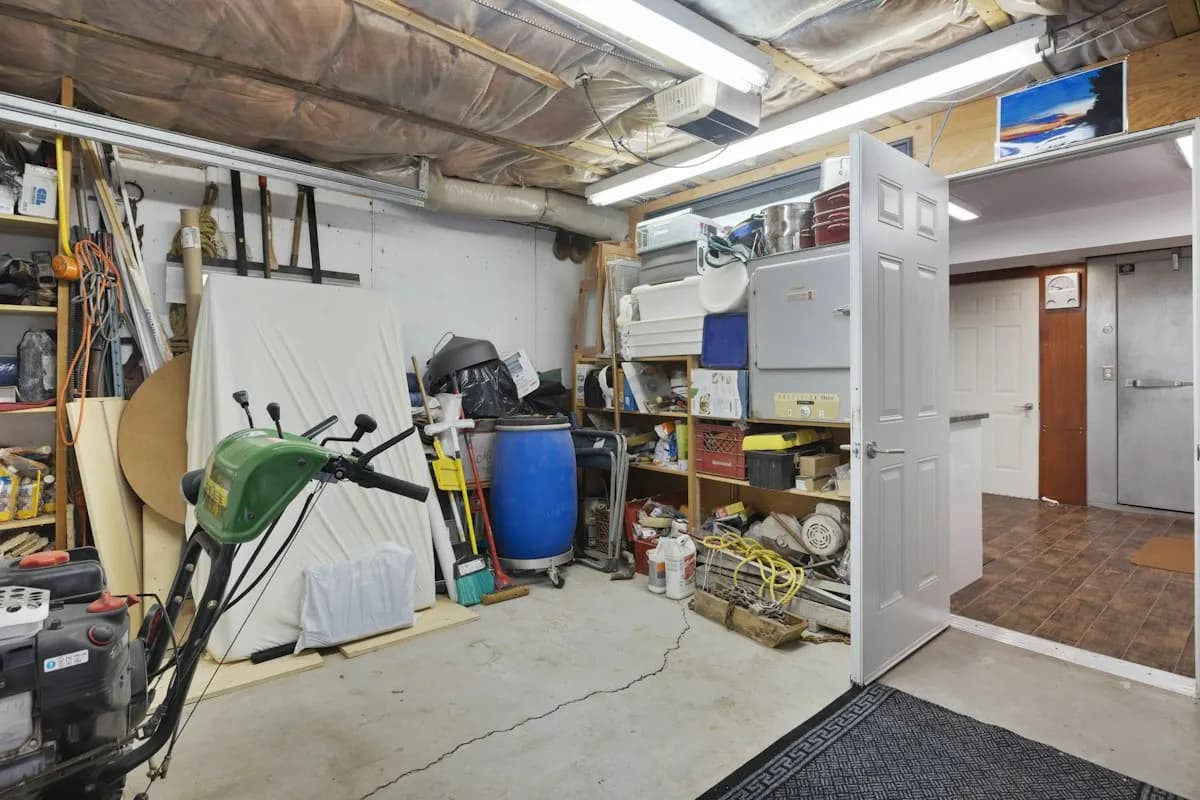
Homeowner polls
No votes yet. Yours will be the first. · saved on this device
No votes yet. Yours will be the first. · saved on this device
No votes yet. Yours will be the first. · saved on this device
Each guide runs roughly 1,500 to 2,400 words, so the full set is about forty minutes of reading. Most homeowners do not need all four at once. Read the planning guide before the site visit, the cost guide when proposals arrive, and the materials or permits guide only if a proposal raises a question you cannot answer from the service pages.
Mainly for people hiring a professional, but the preparation, moisture and cure-time sections apply equally to a DIY job. The materials guide explains why low-cost kits behave differently from professional systems, and the cost guide shows material-only figures for owners who plan to do some or all of the work themselves.
Some useful figures, such as cure times, rollover ratings and long-term cost comparisons, are only published by installers and manufacturers. The guides use them where no neutral source exists and name the publisher every time, so you can weigh the framing. An installer that sells polyaspartic has an interest in comparing it favorably with epoxy, and the text says so where it matters.
The chemistry and preparation advice carries over to basements and detached shops, but the guides are written around the attached residential garage. Basements usually have more moisture risk and less ventilation, and commercial shops face heavier loads and chemical exposure. If your floor is not a typical garage, treat the figures as a starting point and describe the space carefully in any request.
The cost figures are reviewed when publishers release new editions, which for the major cost guides is usually once or twice a year. Each figure carries the year it was published, so you can see at a glance whether a number is from 2024 or 2026. Labor rates and resin prices move, so a two-year-old range deserves a little more caution.
No. The guides help you ask better questions, but only someone standing on your slab with a moisture meter and a grinder sample can tell you what it needs. Think of the guides as preparation for that visit. They explain what a sound proposal contains so that the visit produces a specification rather than a verbal price.
Most readers move to the planning tools, where the calculator, comparisons and quiz use the same sources. From there, the service pages cover each system in detail, and the request form connects you with local professionals when you want written proposals. There is no obligation at any step, and the guides remain available when proposals arrive and need checking.
 Service guideEpoxy Garage Floor Coating
An epoxy garage floor coating is a two-part resin system applied in layers over ground, repaired concrete.
 Service guidePolyaspartic Floor Coating
A polyaspartic floor coating is an aliphatic polyurea system that cures within hours, resists UV yellowing, and tolerates lower application temperatures than epoxy.
 Service guideInterlocking Garage Tiles
Interlocking garage tiles are rigid or flexible modular pieces, usually 12 to 16 inches square, that snap together over the existing concrete without adhesive or curing.
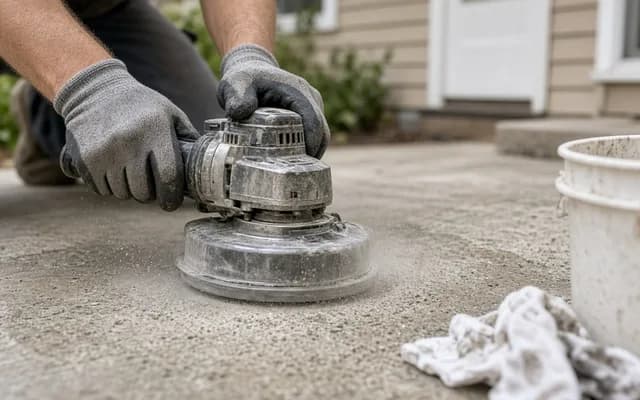 Service guideConcrete Grinding & Prep
Concrete grinding and preparation means mechanically profiling a garage slab, removing old coatings and contamination, repairing cracks and spalls, and testing moisture so that a bonded coating can adhere.
 Free toolGarage floor cost calculator
Size, material tier and complexity in, a realistic budget range out.
 Free toolGarage floor comparisons
Side-by-side tables for the decisions that change the price most.
 Free toolWhich garage floor fits your slab and schedule?
8 questions that show what you already know and what to check next.
 Free toolGarage floor polls: how other homeowners decided
See what other planners chose and add your vote.
Tell us the size, the condition of what is there now, and what you want to change. Garage Floor Brief passes your request to independent local professionals, who reply with written, no-obligation estimates. The service is free to use.