If you paid the polyaspartic premium over epoxy, was it worth it?
Duration's 2026 guide lists polyaspartic at $5–$12 per sq ft versus $3–$7 for epoxy.
No votes yet. Yours will be the first. · saved on this device
Loading...
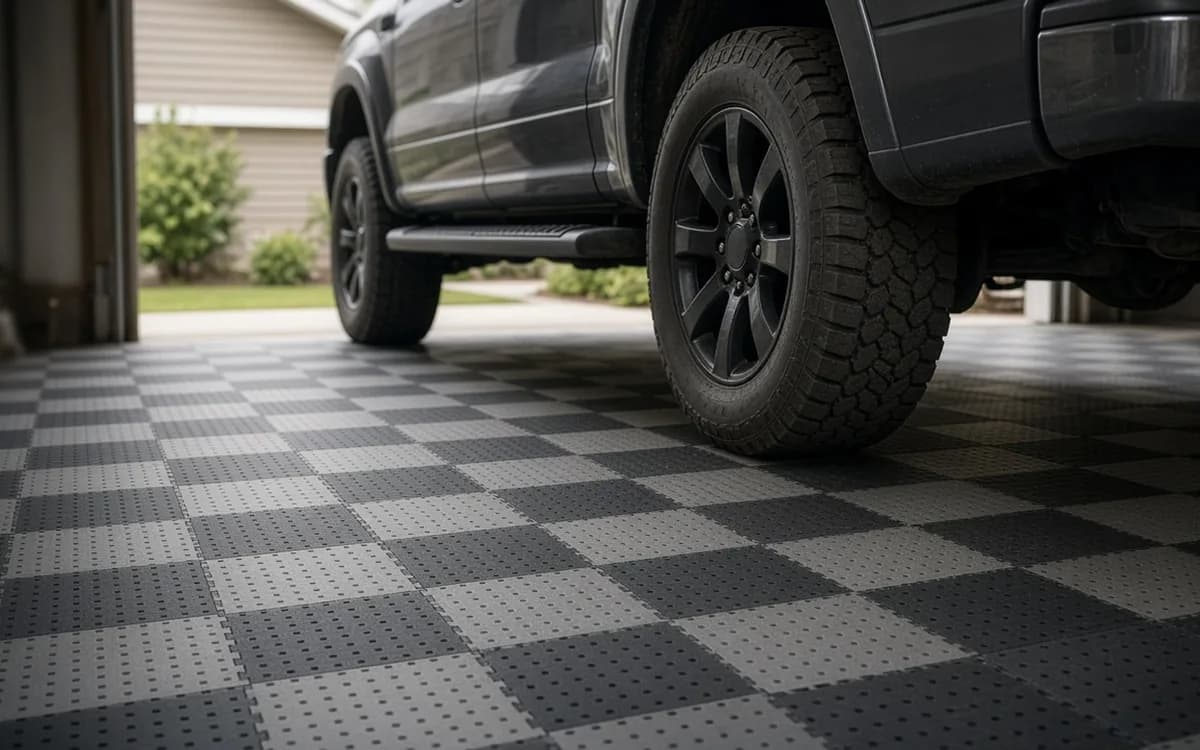
Garage Floor Brief · Epoxy coating vs Polyaspartic coating
Epoxy costs less upfront and builds thickness well but cures slowly, can yellow in sunlight and may need up to a week before parking. Polyaspartic costs more, cures in hours, resists UV and hot tires better, and installer sources expect it to last longer. Many professional systems combine an epoxy base with a polyaspartic topcoat to capture some of both.
Epoxy and polyaspartic are the two resin families that dominate professional garage floors, and most homeowners end up choosing between them on price and cure time. Those are real differences, but they are not the only ones. Heat, sunlight, preparation, working time and the way each system is built up in layers all shape how the floor performs years later, and a well-prepared epoxy floor can outlast a rushed polyaspartic one.
This page walks through real-world scenarios, a ten-year cost view, climate, resale, common mistakes and how to compare bids. Figures come from Duration Concrete Coatings, Garage Living, Bob Vila, Galaxy Concrete Coatings and FloorTek Coatings, several of which sell one system or the other; each is named where it appears so you can weigh its framing.
Epoxy costs less per square foot and builds thicker, but needs days to cure and yellows in sunlight. Polyaspartic costs more, returns the garage to use in a day, resists UV and hot tires, and is sold on a longer life. Both depend entirely on the same grinding and moisture prep.
| Factor | Epoxy coating | Polyaspartic coating |
|---|---|---|
| Installed cost per sq ft | $3–$7 (Duration 2026); $2–$12 across all epoxies (Angi 2026) | $5–$12 (Duration 2026); $4–$9 (Bob Vila 2024) |
| Two-car garage | $2,000–$4,000 (FloorTek 2025) | $3,500–$5,500 (FloorTek 2025) |
| Foot traffic / vehicles | 12–16 hrs / several days to a week (Duration, Garage Living) | About 1 hr (Duration) to 3–6 hrs (Bob Vila) / 24 hrs |
| Expected lifespan | 5–10 years (Bob Vila); up to 20 for 100%-solids with proper prep | 15–25 years (Garage Living); 10+ (Bob Vila) |
| UV and hot tires | Yellows near the door; hot tire pickup risk above ~140°F tire temperature | UV stable; better hot-tire resistance |
| Cold-weather install | Slab generally must be above ~50°F | Cures at lower temperatures |
| Hides slab flaws | Better; thicker, self-leveling body coat | Thinner; relies on flake to hide texture |
| Best for | Storage and workshop garages, mild climates, tight budgets, a week of downtime | Daily-driver garages, hot or cold climates, 24-hour return to use |
Epoxy wins when the garage can sit empty for a week, the climate is mild, and the budget is the constraint. A ground slab with a 100%-solids epoxy body coat and a clear topcoat is a durable floor at the lowest professional price, and in a storage garage its slow cure costs nothing.
Polyaspartic wins when cars must be back in 24 hours, when installation falls in a northern winter, or when summer tires would lift an epoxy topcoat. The premium of roughly $2 to $5 per square foot buys time and longevity; Galaxy's amortized figures of about $200 versus $375 per year favor it over 20 years, with the caveat that an installer published them. A hybrid, epoxy body under a polyaspartic topcoat, is the common middle path.
Polyaspartic tends to win for households that park inside every night and cannot easily go without the garage for a week. Duration Concrete Coatings reports it accepts foot traffic in about an hour and vehicles within 24 hours, while Garage Living says epoxy can need up to 7 days before parking. Our analysis of the federal 2024 household survey found 32.0% of owner-occupied attached-garage homes also keep a second refrigerator in the garage, one more reason a short cure helps. It also suits garages with a sunny door opening, because polyaspartic resists yellowing, and hot-climate garages where tires come home very warm.
Epoxy tends to win for owners with a tighter budget, a flexible schedule and a garage that is used mostly for storage or occasional parking. It is forgiving to apply, builds a thick layer of 100%-solids resin, which Angi lists at $45–$150 per gallon, that fills minor surface texture, and remains the most common professional system. Hobby garages where the owner wants a thick, chemical-resistant base often use epoxy under a polyaspartic topcoat. The epoxy service page covers who should skip it.
Published figures put polyaspartic clearly above epoxy. Duration lists installed polyaspartic at $5–$12 per sq ft, and HomeGuide's 2026 range for a two-car polyaspartic floor is $2,000–$6,900. FloorTek Coatings, which installs polyaspartic, quotes a two-car garage at $3,500–$5,500 vs $2,000–$4,000 for professional epoxy. Bob Vila's 2024 national average for epoxy projects is $2,441. Several of these sources are installers with a stake in one system, so treat the gaps between them as indicative rather than exact.
The gap narrows when you compare full systems rather than resin names. A professional epoxy floor with full flake and a polyaspartic topcoat often costs close to an all-polyaspartic floor, because the preparation and labor are similar and the topcoat is the expensive layer. The difference widens again when an epoxy bid is a single coat with no topcoat. Compare like with like, layer by layer, before deciding the premium is too high.
Annualized costs change the picture. Galaxy Concrete Coatings' 2025 guide works out polyaspartic at $200 vs $375 per year over twenty years, because it assumes polyaspartic lasts roughly twice as long. FloorTek puts professional epoxy's first significant problems at 3–5 years. Both are installers selling polyaspartic, so read those assumptions as optimistic for their product, but the logic holds: a floor that needs recoating or removal halfway through its life costs more than its sticker price.
Over a ten-year horizon, the fair comparison is a well-prepared epoxy system with a durable topcoat against a polyaspartic system. If the epoxy floor needs a maintenance recoat around year five to seven, add that to its cost; FloorTek quotes a two-car garage at $3,500–$5,500 vs $2,000–$4,000 for polyaspartic versus professional epoxy, and a recoat narrows that gap. If it fails outright and needs removal, add Duration's three to eight dollars per square foot for coating removal plus a new installation. Preparation quality is the swing factor for both systems.
In hot climates the concern is hot tire pickup and UV. Hello Garage notes that tires can exceed 140°F after a summer drive, softening weaker coatings. Polyaspartic topcoats resist heat and plasticizer migration from tires better than most epoxy, and they do not amber in sunlight. A west-facing door that stays open in the afternoon is a strong argument for at least a polyaspartic topcoat.
In cold climates the issue is application temperature and road salt. Epoxy cures very slowly in a cold slab, stretching downtime. Polyaspartic tolerates cooler application but gives the crew very little working time in warm conditions, so it demands experience. Either system, properly topcoated, resists salt and snowmelt well. In humid regions, epoxy's sensitivity to amine blush and polyaspartic's sensitivity to moisture during application both call for an installer who checks dew point on the day.
No publisher tracks a resale premium for one resin over the other. Buyers and agents notice a clean, uniform floor, and NAHB finds a garage adds ~10% to a single-family home's value, so a sound floor supports an asset that already matters. A yellowed, peeling or tire-marked floor has the opposite effect in listing photos. For a sale within two or three years, a reliable mid-range system often makes more sense than the most expensive one.
Warranty transferability is the resale detail worth checking. Some installers offer warranties that pass to the next owner, often with a registration step. Garage Living, for example, backs its polyaspartic system with a long limited warranty. A transferable warranty with clear terms is more persuasive to a buyer than a brand name, whatever the chemistry.
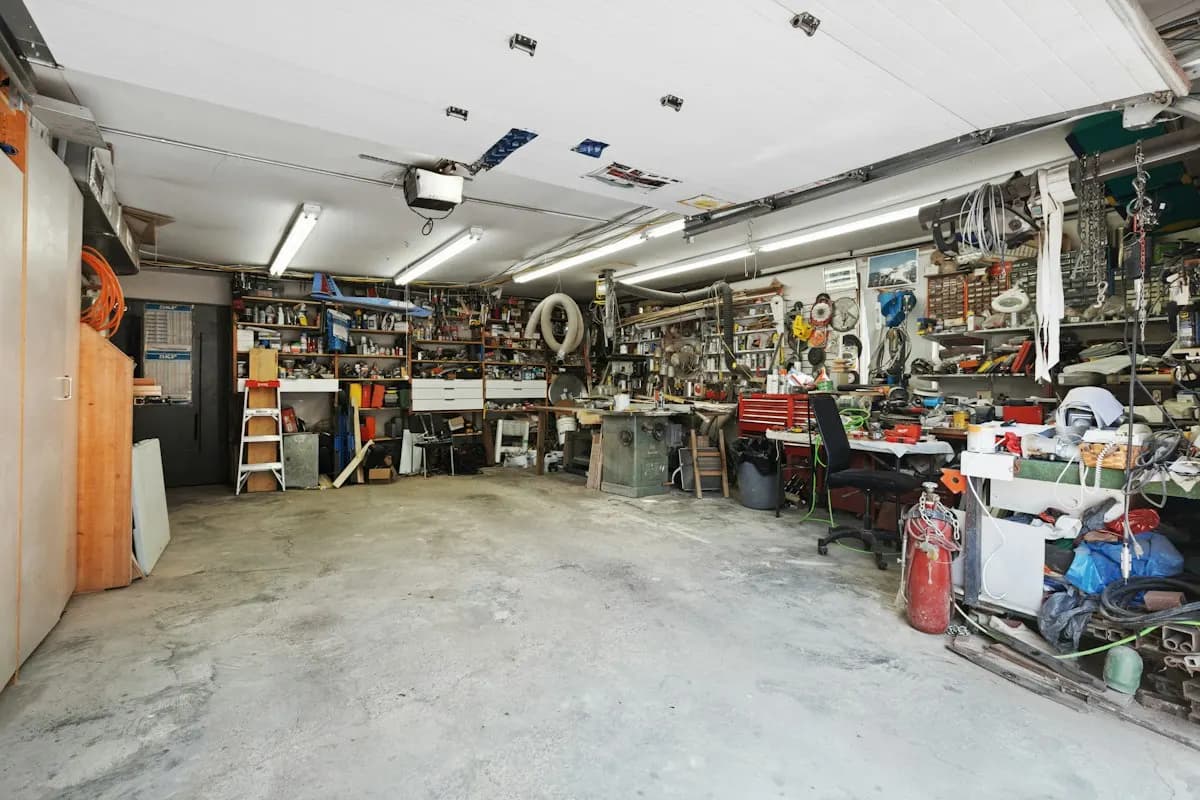
The same mistakes ruin both: acid etching instead of grinding, no moisture test, a thin single coat without a topcoat, and applying outside the product's temperature and humidity window. Polyaspartic adds one more risk, rushed application because of its short working time, which can leave roller marks or thin spots. Ask how many installers will be on site and how they manage mixing and application to keep a wet edge.
To compare bids, list each layer with product name and thickness, the preparation method and surface profile, the moisture test result, cure times for foot and vehicle traffic, and warranty terms and exclusions. Then compare totals. The polyaspartic cost guide and the cost calculator help place a quote. When you want real numbers, the request form connects you with local professionals.
An epoxy install usually runs over two or three visits. Day one covers grinding, crack repair and the base coat with flake. The crew returns once the base has cured enough to scrape loose flake and apply the clear topcoat, and then the floor needs days before a car goes back in. The slower cure gives installers time to fix a thin spot or a roller mark while the resin is still workable, which is one reason epoxy is considered forgiving.
A polyaspartic install is compressed into a single long day on most sound slabs. Because the resin sets in minutes, crews mix small batches, work in teams, and move in a planned sequence across the floor. That leaves little room for error, so crew size and experience matter more than usual. Ask how many people will be on site, how many polyaspartic floors they have installed, and what happens if a section sets before it is finished.
Both installs bring odor and noise. Grinding is loud for a few hours, and many products have a noticeable smell during application. Keep the door between the house and garage closed, plan to ventilate, and arrange for pets and children to stay away. None of this changes the cost much, but it shapes whether a one-day or multi-day schedule suits your household.
Homeowner polls
Duration's 2026 guide lists polyaspartic at $5–$12 per sq ft versus $3–$7 for epoxy.
No votes yet. Yours will be the first. · saved on this device
No votes yet. Yours will be the first. · saved on this device
No votes yet. Yours will be the first. · saved on this device
If the epoxy is well bonded and not peeling, yes, after screening the surface for adhesion. It adds UV stability and hot-tire resistance to a floor that has the thickness of epoxy. If the epoxy is lifting anywhere, the topcoat will lift with it, and the answer is removal first.
Thinner per coat. Polyaspartics are applied at a few mils and rely on the base coat and flake for build; epoxy body coats go on thicker and self-level. That is why polyaspartic shows slab texture more and why almost every residential polyaspartic floor is full-flake.
Polyaspartic, primarily because of hot tire pickup. Hello Garage attributes that failure to tire temperatures above about 140°F softening the epoxy bond. A polyaspartic or urethane topcoat resists it. The base coat's adhesion still depends on grinding, whichever chemistry is on top.
Many can, and asking for both is a good way to see the true premium on your slab. The preparation line should be identical in both options, so any difference in total comes from the resin layers and cure-related scheduling. If the preparation changes between the two options, ask why, because it suggests one quote was trimmed to hit a price.
Not always. A one-day schedule assumes a sound slab, no coating removal, modest crack repair and conditions within the product's limits. Heavy repairs, moisture mitigation, a large floor or cold weather can push it to two or three days. Ask the installer what would force a second day and how they would handle it.
Small damage on both can be abraded and touched up, though color and gloss rarely match perfectly. Epoxy is more forgiving to patch because of its longer working time. Polyaspartic repairs need quick, skilled application. For either, keeping leftover flake from the original installation makes a patch blend far better, so ask the installer to leave some with you.
Both release odors during application, and some polyaspartic products are solvent-borne with a strong smell for several hours. Low-odor formulations exist for both chemistries. If anyone in the house is sensitive, ask for the product data sheet, plan ventilation, keep the door between house and garage closed, and consider being out for the application day.
Often not. If the garage holds shelving and bikes and rarely sees a hot tire, a well-prepared epoxy system with a durable topcoat may give most of the benefit at a lower cost. The faster cure and UV resistance of polyaspartic matter most for daily parking, sunny doorways and hot climates. Match the premium to the actual demands on the floor.
Warranty length signals the installer's confidence, but the exclusions matter more. Many garage floor warranties exclude moisture-related failure, hot tire pickup, chemical damage or wear. Read what is covered, whether labor is included, whether it transfers to a buyer, and how claims are handled. A shorter warranty with clear coverage can be worth more than a long one full of exclusions.
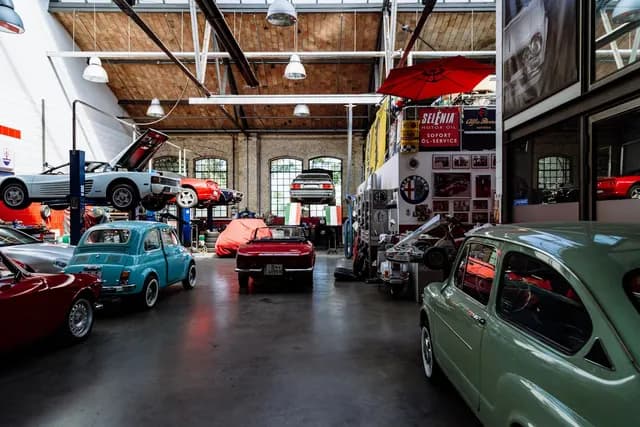 ComparisonBonded coating (epoxy or polyaspartic) vs Interlocking tiles
A bonded coating becomes part of the slab, gives a seamless easy-clean surface and usually lasts longest on sound, dry concrete.
 ComparisonProfessional epoxy installation vs DIY epoxy kit
A DIY epoxy kit costs a fraction of a professional floor in materials, but most kits are thinner or water-based, and most DIY failures start with preparation done without a diamond grinder.
 ComparisonInterlocking tiles vs Roll-out garage mats
Roll-out mats are the cheapest way to cover a garage slab and suit renters, parking-only bays and short-term needs, but they last only a few years and can trap water.
 ComparisonDiamond grinding vs Acid etching
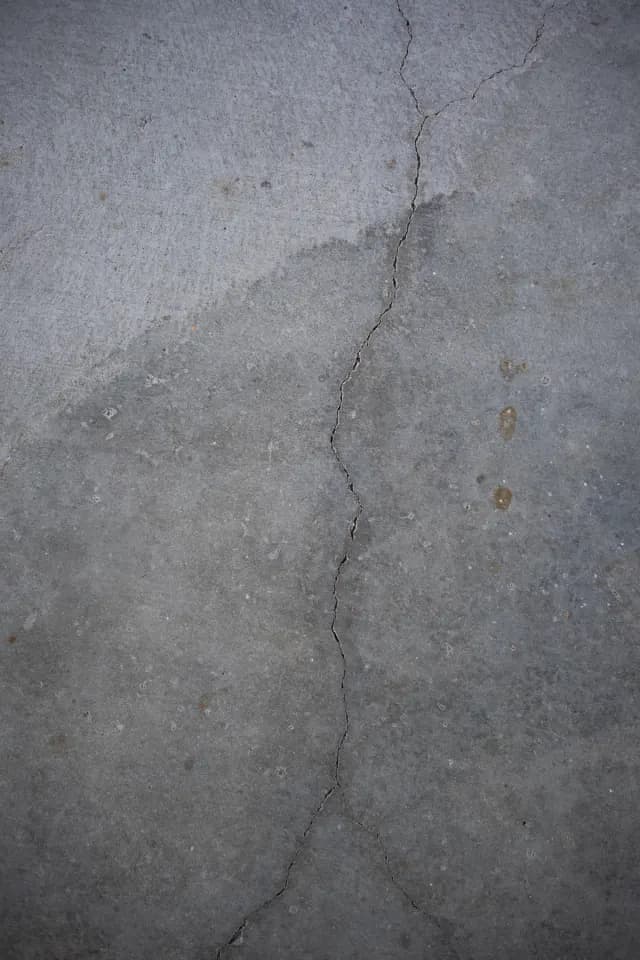
Diamond grinding mechanically removes the weak top layer, sealers and contaminants and leaves a measurable surface profile that coatings grip reliably.
 Service guideEpoxy Garage Floor Coating
An epoxy garage floor coating is a two-part resin system applied in layers over ground, repaired concrete.
 Service guidePolyaspartic Floor Coating
A polyaspartic floor coating is an aliphatic polyurea system that cures within hours, resists UV yellowing, and tolerates lower application temperatures than epoxy.
 Service guideInterlocking Garage Tiles
Interlocking garage tiles are rigid or flexible modular pieces, usually 12 to 16 inches square, that snap together over the existing concrete without adhesive or curing.
 Service guideConcrete Grinding & Prep
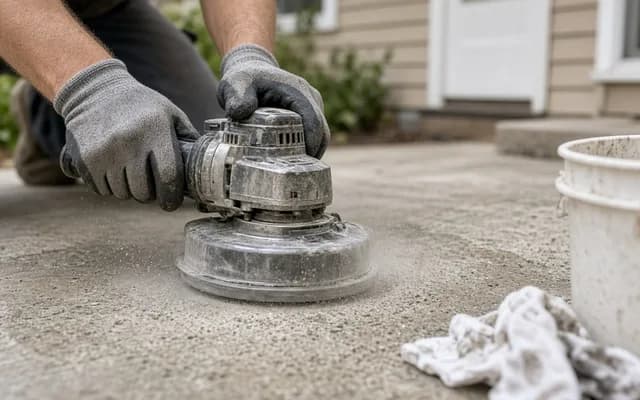
Concrete grinding and preparation means mechanically profiling a garage slab, removing old coatings and contamination, repairing cracks and spalls, and testing moisture so that a bonded coating can adhere.
 Free toolGarage floor cost calculator
Size, material tier and complexity in, a realistic budget range out.
 Free toolWhich garage floor fits your slab and schedule?
8 questions that show what you already know and what to check next.
 Free toolGarage floor polls: how other homeowners decided
See what other planners chose and add your vote.
Tell us the size, the condition of what is there now, and what you want to change. Garage Floor Brief passes your request to independent local professionals, who reply with written, no-obligation estimates. The service is free to use.