What kept you from choosing interlocking tiles?
No votes yet. Yours will be the first. · saved on this device
Loading...
Garage Floor Brief · Interlocking tiles vs Roll-out garage mats
Roll-out mats are the cheapest way to cover a garage slab and suit renters, parking-only bays and short-term needs, but they last only a few years and can trap water. Interlocking tiles cost more, last far longer, cover the whole floor evenly, drain better when vented and allow single-tile repairs. Both install without grinding or cure time.
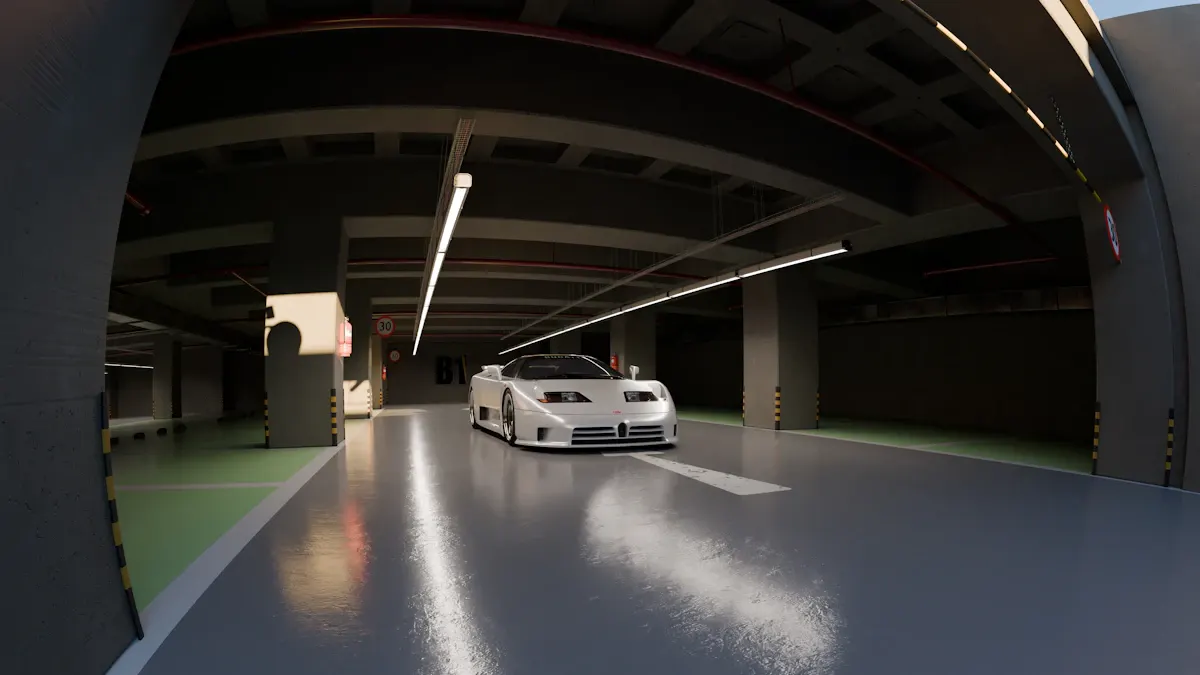
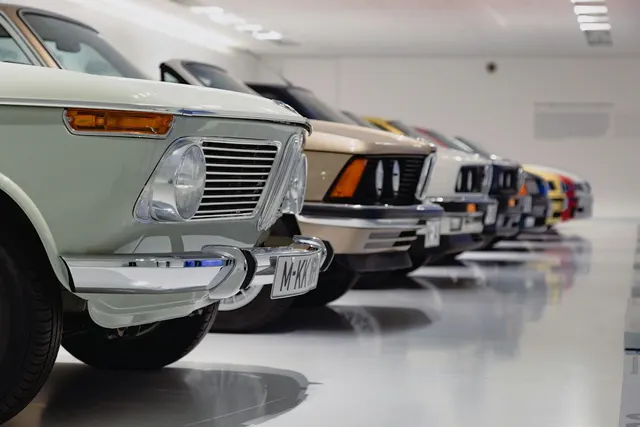
Photo: Puscas Adryan · License.
Tiles and mats are the two removable garage floors, and they often compete for the same homeowners: renters, people planning to move, and owners with slabs they do not want to grind. Both go down without chemicals or downtime. The difference is in how long they last, how they handle water and grit, how the whole garage looks, and what they cost per year of use.
This page compares them on real scenarios, ten-year cost, climate, resale, common mistakes and buying decisions, using figures from Garage Flooring LLC, HomeGuide and Swisstrax. Swisstrax is a tile manufacturer, so its figures describe its own products. Both options can be bought online and laid by a homeowner, so the comparison focuses on what you will live with after installation rather than on who installs them.
Both cover the slab without adhesive or cure. Tiles cost more per square foot and last two to three times as long, replace piece by piece, and handle point loads better. Mats are the cheapest floor you can put down, go in an afternoon, and wear out or tear in two to ten years.
| Factor | Interlocking tiles | Roll-out garage mats |
|---|---|---|
| Cost | $2.90–$8+ per sq ft (Garage Flooring LLC 2025) | $1–$5 per sq ft (Garage Flooring LLC 2025) |
| Lifespan | 10–25+ years | 2–10 years |
| Repair | Replace a single tile | Patch or replace the whole mat |
| Point loads | Rigid tiles rated to tens of thousands of pounds rollover; plate under jack stands | Compress and tear under jack stands; can wrinkle |
| Moisture beneath | Open-back tiles breathe; lift to clean | Traps moisture; must be rolled back to dry |
| Installation | Weekend DIY or a pro; cuts and edges | Unroll and trim in an afternoon |
| Best for | Long-term floor on a damp or cracked slab | Short-term cover, one parking bay, budget under $1,000 |
Tiles win as a permanent floor: longer life, better load handling, and repairs by the piece. Mats win when the goal is to keep drips off a rental's slab, cover a single parking bay, or spend as little as possible on a garage you will not keep. Garage Flooring LLC's lifespan figures, two to ten years for mats versus ten to twenty-five for tiles, capture the trade cleanly.
Mats suit a single parking bay where the goal is to contain snowmelt, salt and drips under one car, a rental garage where nothing can be fixed to the slab, or a stopgap while you save for a permanent floor; Duration Concrete Coatings puts a coated two-car garage at $1,600–$6,900, and a mat buys time cheaply. They lay down in minutes. In a one-car attached garage (9.2% of occupied homes, by our analysis of the federal 2024 household survey), one mat covers most of the floor. For a garage that is also a workshop or gym, mats tend to shift and wrinkle under rolling toolboxes and equipment.
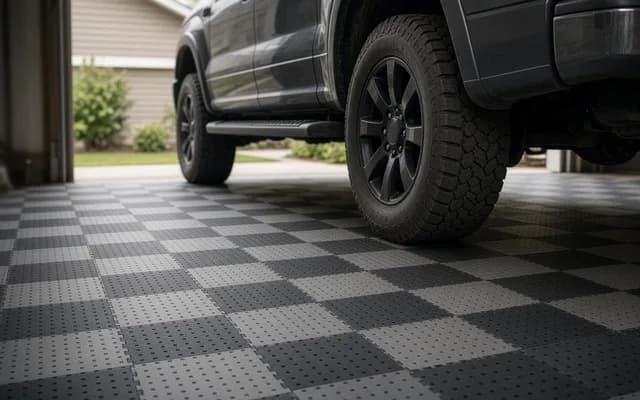
Tiles suit owners who want the whole garage covered with a uniform finished look, who use the space for more than parking, or who want a floor that will last as long as they stay. They are also more forgiving of a slightly uneven slab because each tile flexes independently. The interlocking tiles service page covers tile types, edging and professional layout.
Garage Flooring LLC prices roll-out mats at $1–$5 per sq ft, 2–10 years, with thin mats at the bottom and heavy commercial-grade mats at the top. Interlocking tiles cost $2.90–$8.00+ per sq ft in materials, and HomeGuide puts a self-installed two-car tile floor at $800–$2,900. Branded premium tiles sit toward the top; Swisstrax lists its range at $4.49–$7.75 per sq ft.
Mats also let you cover only part of the floor, which lowers cost further; even DIY epoxy materials run $1.45–$5.21 per sq ft per Garage Flooring LLC, across the whole slab. Bare concrete around a partial mat still needs sweeping and can still stain, so the savings come with a less finished look. Two parking mats under the cars may cost a fraction of a full tile floor. That partial approach is the main reason mats stay popular: they protect the concrete where it matters most and leave the rest bare. Tiles are usually installed wall to wall, so the budget is for the full floor area.
Garage Flooring LLC's 2025 comparison gives mats a two-to-ten-year life and tiles a ten-to-twenty-five-year life. Over ten years, a mat may need replacing one to three times, depending on quality and traffic, while a decent tile floor should still be in service. Individual tiles that crack or stain can be replaced; a damaged mat usually has to be replaced whole.
On a per-year basis, the gap narrows considerably, and tiles often win for owners who stay. For short tenures, mats win clearly, because the lower upfront cost is not offset by replacement. The deciding question is how long you expect to use the garage in its current form. If the answer is three years or less, a good mat is hard to argue with. Used tiles have little resale value, but they can move with you, which adds to their worth for owners who expect to relocate.
In cold climates, mats stiffen and their edges can curl, creating a trip hazard and letting water run underneath. Tiles also contract, but the interlocks absorb much of the movement. Snowmelt pooling on a mat has nowhere to go unless the mat has channels and the slab slopes to the door. Vented tiles let meltwater drain through, though salt residue can build up underneath and needs occasional rinsing.
In hot climates, some PVC mats and flexible tiles soften and can mark under hot tires. Rigid polypropylene tiles hold up better in heat, though they expand, so installers leave a small gap at the walls. In humid garages, anything laid over concrete can trap moisture; vented tiles and regular lifting of mats reduce the risk of mildew and staining on the slab. In any climate, lifting a mat after a wet week and letting the slab dry is a simple habit that prevents most odor problems.
Tiles produce a finished, deliberate look that reads as an upgrade in listing photos, especially in two-tone patterns with a border. Mats look practical rather than finished and can appear worn quickly. If you are preparing a house for sale and the slab is stained, a tile floor can transform the space in a weekend, though you should disclose known slab issues and decide whether the tiles convey.
For your own use, looks matter less than whether the floor stays put and cleans easily. Mats that have shifted or curled look untidy fast. Tiles stay aligned and can be cleaned with a broom and hose. The coating versus tiles comparison covers the step up to a permanent floor if you want the most finished look. Tiles also make it easy to mark out zones, such as a darker border around a workbench or parking guides for each car.
With mats, the common mistakes are buying a mat too thin for the vehicle's weight and tire heat, placing it so the car's tires ride on the edge, and leaving water trapped underneath for weeks. With tiles, they are buying economy hollow tiles for heavy use, skipping edge ramps at the garage door, failing to plan around a floor drain, and not ordering enough extra for cuts and future replacements.
Before buying, measure the floor accurately, note posts, steps and drains, and decide whether you need full coverage. Order a sample tile or mat swatch to check feel and sound. If you would like a professional to lay out and install tiles, the tile cost guide shows typical installation allowances, and the request form connects you with local professionals.
Start with an accurate floor plan. Measure wall to wall at several points, because garage walls are rarely square, and note the positions of posts, steps, drains, water heaters and the door threshold. Sketch it on graph paper or use a manufacturer's online planner. For mats, measure each parking bay and the length of the vehicle, allowing enough width that the tires sit well inside the mat edges.
For tiles, calculate the area and add a margin for cuts and spares, more for garages with many obstacles or patterned layouts. Count linear feet of exposed edges, especially along the door, to order ramps and borders. For mats, check the roll widths offered, since seams between two mats can shift. Order sample pieces first if you are unsure about color, texture or sound.
Before installing either, clean the slab thoroughly, let it dry, and deal with any obvious oil stains or loose debris. Tiles laid over grit or a raised crack edge can rock; mats laid over dirt can trap moisture and odor. Clearing and cleaning the floor takes an afternoon and makes either option last longer. The planning guide covers how to assess the slab before buying.
Homeowner polls
No votes yet. Yours will be the first. · saved on this device
No votes yet. Yours will be the first. · saved on this device
Yes, that is their strongest use. A containment-edge mat under one car catches oil and meltwater. Roll it back periodically to dry the slab. For a workshop side with tool chests and jack stands, tiles or bare concrete hold up better.
Yes. Some owners tile the workshop half and put a containment mat in the parking bay. Plan the transition with an edge piece so the mat does not curl against the tile.
Both can, but oil behaves differently. A mat keeps oil on its surface where it can be wiped, but a heavy leak can run to the edge and under. Vented tiles let oil drip through to the slab, where it is harder to clean. A drip tray or absorbent pad under the leak protects either floor and the concrete beneath.
Most roll-out mats are designed to lie loose, held by their own weight. Some owners use double-sided tape at the edges to reduce shifting, but tape can leave residue on concrete and trap moisture. If the mat moves a lot, a heavier mat or tiles are usually a better fix than fastening a thin one.
A first-timer can usually lay tiles in a two-car garage in a day once the floor is clean, including cutting tiles around walls and posts. Experienced installers are faster. Mats are quicker still, often under an hour. Neither requires grinding or cure time, so the garage can be used immediately.
Neither is ideal on its own for heavy lifting. Rubber gym mats or tiles designed for weights are better under a lifting platform. For general fitness use, flexible PVC tiles feel better underfoot than rigid ones and stay put better than roll-out mats. Many owners combine a tile floor with dedicated rubber mats in the gym corner.
Many garage tiles are polypropylene, which is recyclable in principle, but local programs may not accept large molded pieces. Some manufacturers use recycled content and offer guidance on disposal. Check with your local recycling program. A floor that lasts longer and allows single-tile replacement reduces waste regardless.
 ComparisonEpoxy coating vs Polyaspartic coating
Epoxy costs less upfront and builds thickness well but cures slowly, can yellow in sunlight and may need up to a week before parking.
 ComparisonBonded coating (epoxy or polyaspartic) vs Interlocking tiles
A bonded coating becomes part of the slab, gives a seamless easy-clean surface and usually lasts longest on sound, dry concrete.
 ComparisonProfessional epoxy installation vs DIY epoxy kit
A DIY epoxy kit costs a fraction of a professional floor in materials, but most kits are thinner or water-based, and most DIY failures start with preparation done without a diamond grinder.
 ComparisonDiamond grinding vs Acid etching
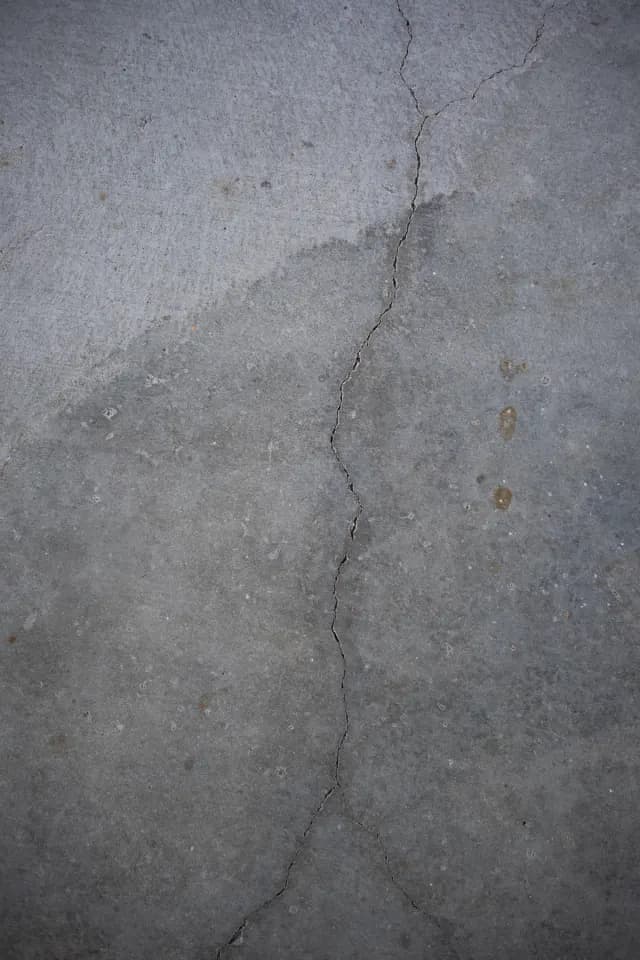
Diamond grinding mechanically removes the weak top layer, sealers and contaminants and leaves a measurable surface profile that coatings grip reliably.
 Service guideEpoxy Garage Floor Coating
An epoxy garage floor coating is a two-part resin system applied in layers over ground, repaired concrete.
 Service guidePolyaspartic Floor Coating
A polyaspartic floor coating is an aliphatic polyurea system that cures within hours, resists UV yellowing, and tolerates lower application temperatures than epoxy.
 Service guideInterlocking Garage Tiles
Interlocking garage tiles are rigid or flexible modular pieces, usually 12 to 16 inches square, that snap together over the existing concrete without adhesive or curing.
 Service guideConcrete Grinding & Prep
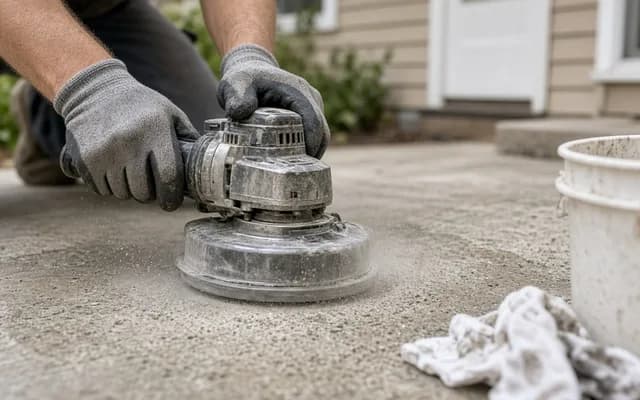
Concrete grinding and preparation means mechanically profiling a garage slab, removing old coatings and contamination, repairing cracks and spalls, and testing moisture so that a bonded coating can adhere.
 Free toolGarage floor cost calculator
Size, material tier and complexity in, a realistic budget range out.
 Free toolWhich garage floor fits your slab and schedule?
8 questions that show what you already know and what to check next.
 Free toolGarage floor polls: how other homeowners decided
See what other planners chose and add your vote.
Tell us the size, the condition of what is there now, and what you want to change. Garage Floor Brief passes your request to independent local professionals, who reply with written, no-obligation estimates. The service is free to use.