Which garage floor did you choose, or are you leaning toward?
No votes yet. Yours will be the first. · saved on this device
Loading...
Garage Floor Brief · Bonded coating (epoxy or polyaspartic) vs Interlocking tiles
A bonded coating becomes part of the slab, gives a seamless easy-clean surface and usually lasts longest on sound, dry concrete. Interlocking tiles float above the slab, need no grinding or cure time, tolerate moisture and cracks, and can be lifted and moved. Slab condition, downtime, tenure and how you clean the garage decide the choice more than looks do.
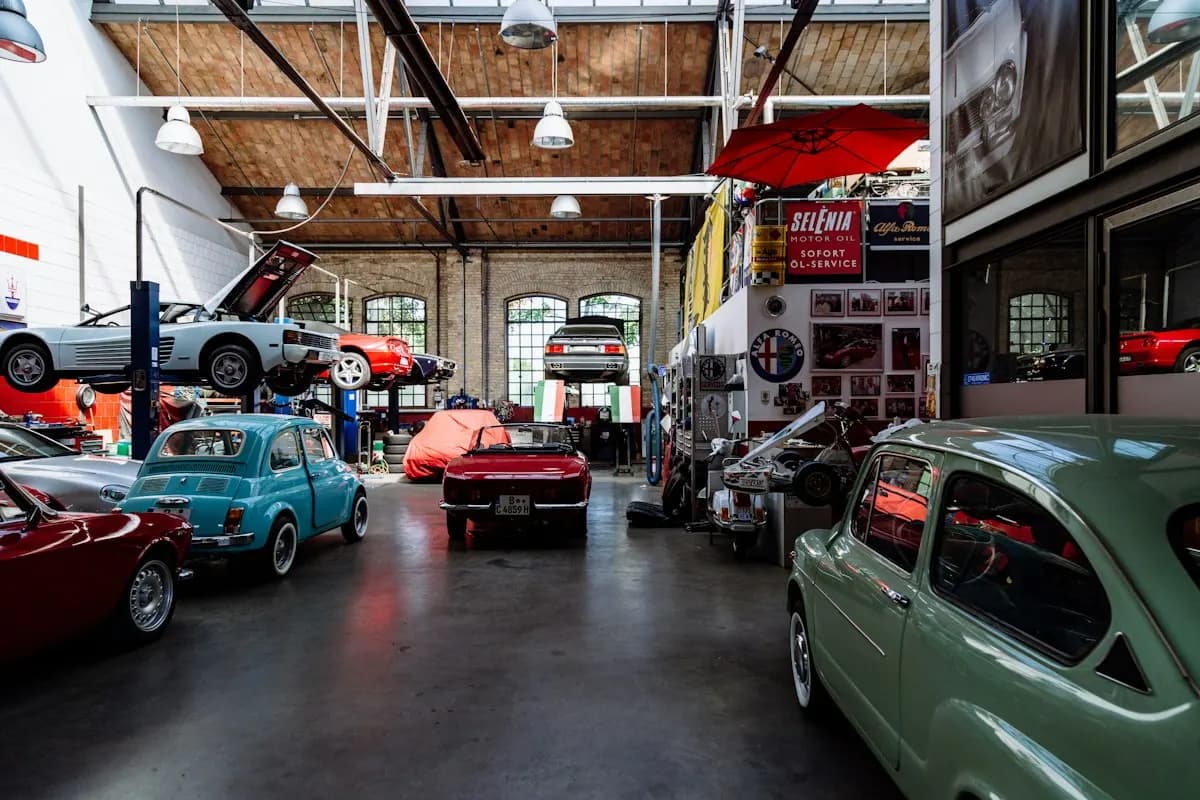
Photo: Alex Suprun · License.
Coatings and tiles solve the same problem in opposite ways. A coating depends entirely on the concrete underneath and rewards good preparation with a seamless, durable surface. Tiles ignore most of what is wrong with the concrete and sit on top of it, trading seams and a hollow feel for flexibility, speed and portability. Neither is universally better.
This page covers who each floor suits, costs over ten years, climate, resale, common mistakes and how to compare bids for the two. Figures come from Duration Concrete Coatings, HomeGuide, Garage Flooring LLC and Swisstrax, with manufacturer figures labeled. Where a trade-off depends on your slab or your habits rather than a published number, the page says so and explains what to check in your own garage before deciding.
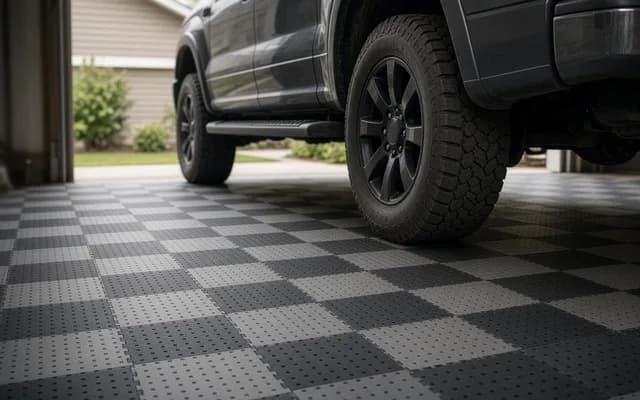
A coating becomes part of the slab: seamless, easy to squeegee, dependent on a dry, ground surface and a cure window. Tiles sit on top: tolerant of moisture and cracks, removable and repairable piece by piece, but audible, permeable at the joints, and vulnerable to point loads and thermal expansion.
| Factor | Bonded coating (epoxy or polyaspartic) | Interlocking tiles |
|---|---|---|
| Cost | $3–$12 per sq ft installed (Duration, Angi) | $2.90–$8+ per sq ft materials (Garage Flooring LLC); $800–$2,900 DIY two-car (HomeGuide) |
| Slab requirements | Dry, ground, repaired; moisture test required | Swept and reasonably flat; tolerates moisture and cracks |
| Downtime | 1–7 days depending on chemistry | None; usable as installed |
| Lifespan | 5–25 years by chemistry and prep | 10–25+ years (Garage Flooring LLC) |
| Repair | Spot repairs visible; full failure means regrinding | Replace individual tiles |
| Cleaning | Squeegee and hose; seamless | Sweep; lift sections to clean beneath |
| Noise and feel | Silent, solid | Rigid tiles click; PVC quieter |
| Best for | Sound dry slabs, seamless look, long-term owners | Damp or cracked slabs, renters and movers, garages that cannot be emptied |
A coating wins on a sound, dry slab for a homeowner who plans to stay, wants a seamless surface to hose down, and can give the garage its cure window. Once installed, it is the lower-maintenance floor: no lifting, no grit underneath, nothing to creep.
Tiles win whenever the slab is the problem. A moisture reading over the coating limit, active cracks, or a failed coating you do not want to grind off all point to tiles. They also win for anyone who might move, who cannot empty the garage, or who wants a floor they can change. Swisstrax's 70,000-pound rollover rating shows vehicles are not the issue; point loads and expansion gaps are what to plan for.
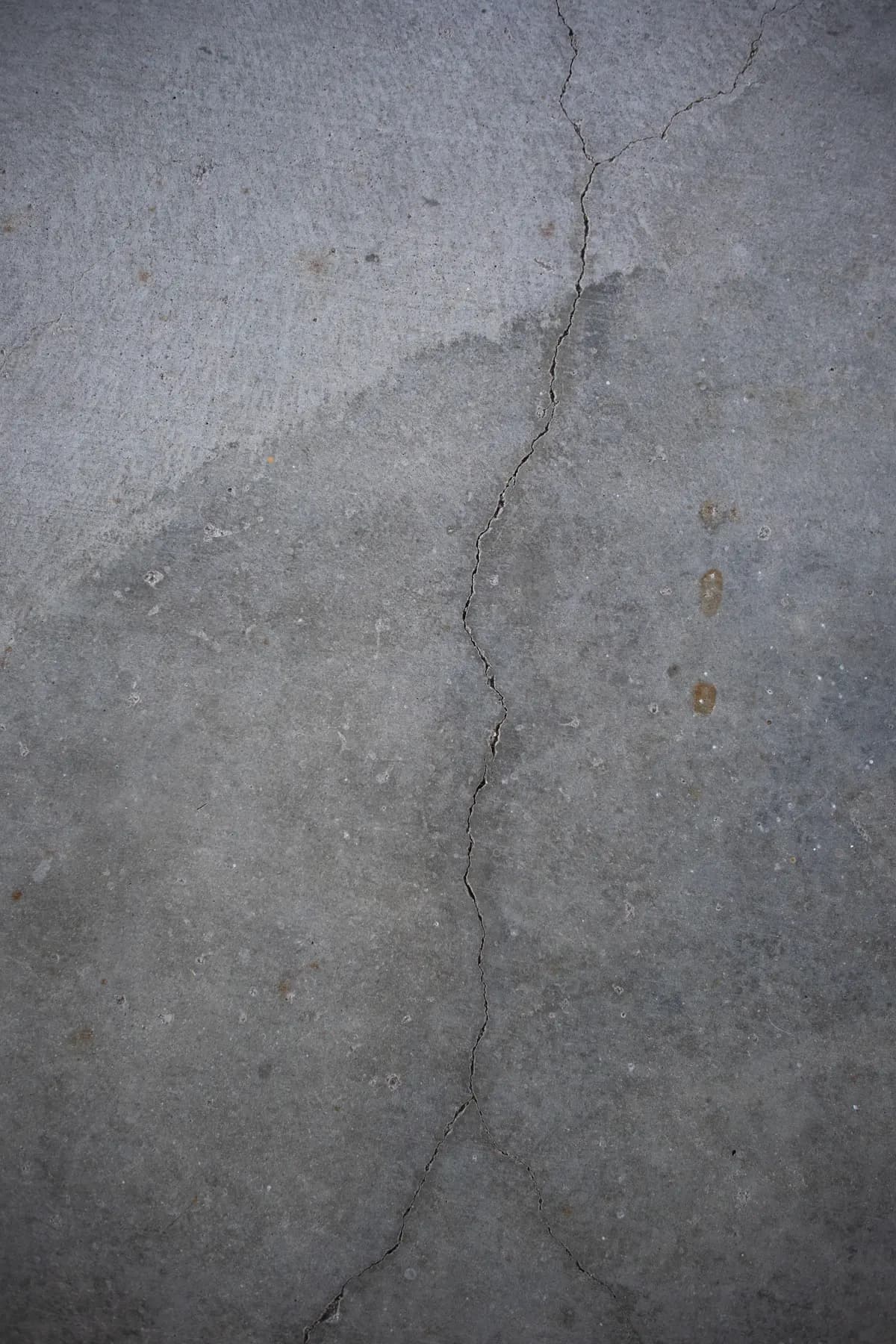
Start with moisture and damage. A slab with a persistent moisture problem, a history of lifting coatings, or widespread cracking and spalling is expensive to coat reliably, because the fix may require mitigation primers, extensive repair or coating removal. Duration Concrete Coatings prices old-coating removal at three to eight dollars per square foot. Tiles avoid most of that cost because they do not bond to the slab, and vented tiles let moisture escape rather than trapping it. Our analysis of the EIA's 2024 household survey finds 32.4% of occupied homes over a concrete slab, and 53.0% of owner-occupied attached-garage homes report one.
A sound, dry, uncoated slab reverses the logic. Surface preparation adds $1–$5 per sq ft according to Duration, but on a good slab the result is a floor that is part of the concrete and needs no seams. If you are unsure which camp your slab is in, a moisture test and a sample grind will tell you, and the grinding and prep page explains how to read the results.
Tiles are the obvious choice for renters and for owners who expect to move within a few years, because they can be unclipped, stacked and taken along. They also suit households that cannot give up the garage for several days: a tile floor is usable as soon as the last piece clicks in. HomeGuide puts self-installed tiles for a two-car garage at $800–$2,900, and many owners lay them over a weekend.
Long-term owners who park daily and want a surface they can squeegee and mop tend to prefer coatings. Duration's national range for a coated two-car garage is $1,600–$6,900. With polyaspartic, downtime can be as short as a day, which narrows the speed advantage of tiles. The interlocking tiles page explains layout, drainage and edge ramps for owners leaning toward tiles. Some owners who expect to stay put lay tiles first and coat later, once they know how the space will really be used.
Garage Flooring LLC prices interlocking tiles at $2.90–$8.00+ per sq ft in materials with a long service life, and damaged tiles can be replaced individually. A professionally installed coating costs more upfront in most cases but, over a sound slab, needs little beyond cleaning and a possible topcoat refresh. Over ten years, the two can end up close in total cost for a typical two-car garage. Budget pressure is real on both sides: HomeGuide puts a self-installed tile floor for a two-car garage at $800–$2,900.
The swing factors are slab repairs and failure. If a coating needs removal and reinstallation because preparation was poor or moisture was ignored, its ten-year cost can double. If tiles are cheap economy squares that crack or curl, they may need replacing sooner than expected. Premium branded tiles, which Swisstrax lists at $4.49–$7.75 per sq ft, cost more initially but tend to hold up longer.
In snowbelt garages, meltwater and salt are the daily challenge. A coating keeps water on the surface where it can be squeegeed out the door or to a drain. Vented tiles let water drop through to the slab, where it drains away if the slab is sloped, but salt and grit can accumulate underneath and need periodic rinsing. In hot garages, tiles avoid hot tire pickup entirely, while coatings need adequate thickness and a heat-resistant topcoat.
Cleaning style matters more than people expect. Coatings suit owners who hose or mop the floor. Tiles suit owners who mostly sweep or use a shop vacuum, and they hide small spills well on vented patterns. Oil drips on tiles can seep through to the concrete, so a drip tray under a leaking vehicle is a good habit either way. In a garage that doubles as a workshop, sawdust and metal filings sweep off a coating easily but settle into tile vents, so a shop vacuum becomes part of the routine.
Buyers rarely pay a measurable premium for either floor, but a clean, sound garage helps in photos and showings. An older survey compiled by Garage Living found 80% of buyers factor the garage into a purchase. A peeling coating signals deferred maintenance; a neat tile floor reads as an upgrade, though some buyers dislike the sound or feel of tiles and may ask whether they convey.
Decide in advance whether tiles stay with the house. If you plan to take them, say so in the listing and sale contract, and budget for the bare slab the buyer will see. A coating conveys automatically. If you are selling soon and the slab is rough, tiles can cover it quickly, but disclose known slab issues rather than hiding them.
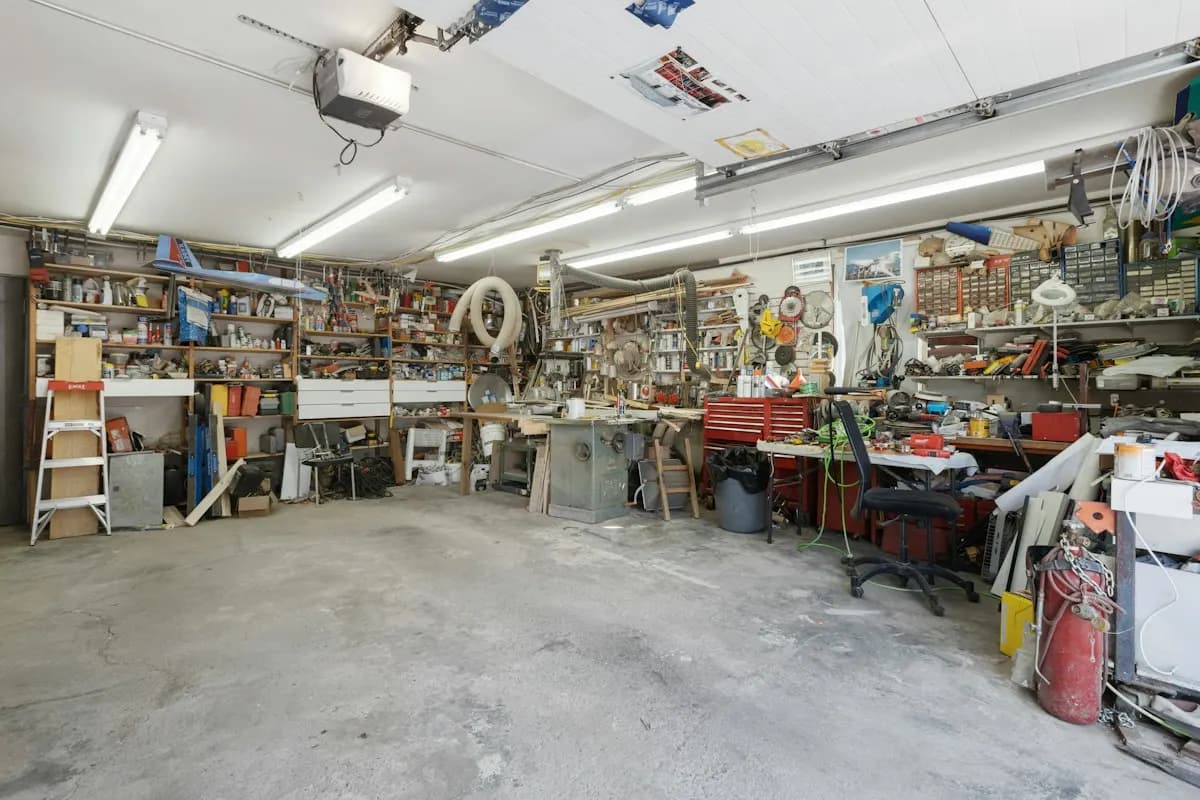
With coatings, the classic mistakes are skipping the moisture test, accepting acid etching instead of grinding, and choosing a thin single coat. With tiles, they are laying over debris or large cracks that create rocking tiles, ignoring drainage toward the door, skipping edge ramps at the threshold, and buying economy tiles for a garage that sees heavy loads or hot tires.
For a coating bid, compare preparation, moisture result, each layer and thickness, cure time and warranty. For tiles, compare tile model and thickness, locking system, surface pattern, edging and ramps, layout plan around drains and posts, and whether installation is included. Ask for both types if you are undecided. The tiles versus mats comparison covers the budget end, and the garage floor quiz tests the key facts.
A coated floor feels exactly like the concrete beneath it: hard, quiet and cold in winter. It is easy to roll a creeper or toolbox across, and a dropped socket lands with a clink rather than bouncing. For workshop use, many owners find that solid feel more practical, and a textured topcoat gives grip without making mopping difficult.
Tiles change the feel of the room. Rigid polypropylene tiles can sound hollow or clicky under hard-soled shoes and when a car rolls on, especially over a slab that is not quite flat. Flexible PVC tiles are quieter and softer to stand on. Rolling equipment moves well on most tiles, but small casters can catch on vented patterns. If sound or feel matters, order a few sample tiles and walk on them in work shoes before committing.
Comfort for long standing sessions at a workbench is a separate question. Neither floor is soft enough to prevent fatigue on its own, and an anti-fatigue mat in the work area helps with either. Owners who use the garage as a gym often prefer tiles or dedicated rubber mats over a coating because they cushion dropped weights better.
Homeowner polls
No votes yet. Yours will be the first. · saved on this device
No votes yet. Yours will be the first. · saved on this device
No votes yet. Yours will be the first. · saved on this device
Neither moves a sale price much on its own; NAHB's estimate that a garage adds roughly 10% to home value is about having the garage. A clean, intact floor of either kind helps the space show. A peeling coating hurts more than plain concrete, which is an argument for tiles if you are not sure a coating will be prepped well.
Yes, and it is a common path for a damp slab that may dry out after drainage work, or for a renter who later buys. Tiles come up cleanly; the slab underneath will need the same grinding a coating always requires. Some owners keep the tiles for the next garage.
Yes, with planning. Vented tiles let water pass through to the drain below, and some tile systems offer drain covers or cutouts. Solid tiles need to be cut around the drain so water can reach it. Either way, check that the slab slopes to the drain so water does not collect under the tiles in a low spot.
Slightly, underfoot. Tiles create a thin air gap and break direct contact with cold concrete, so they feel less cold to stand on. They do not meaningfully change the air temperature of the garage. A coating feels as cold as the slab. If comfort in a winter workshop matters, anti-fatigue mats over either floor at the workbench help more than the floor type.
Rigid tiles are rated well beyond passenger vehicle loads; Swisstrax, for example, rates its Ribtrax Pro tile at a rollover weight far above any car. Point loads from jack stands and lift posts are usually fine on rigid tiles, though some manufacturers recommend load plates under lift posts. For a four-post lift anchored to concrete, the anchors normally go through the tiles into the slab.
It can be, but mixing systems adds a transition detail and extra planning. Some owners coat the parking bays and tile a workshop area for comfort and easy replacement. The combined cost depends on square footage and prep. Ask installers whether they will quote a split layout and how they will finish the joint between coated concrete and tile.
Not often. Most owners rinse vented tiles in place and let water drain through, or lift a few sections near the door once or twice a year to clear grit. A full lift-and-clean is rarely needed unless something spills heavily. Coatings avoid this chore entirely, which is a real point in their favor for owners who hate cleaning.
 ComparisonEpoxy coating vs Polyaspartic coating
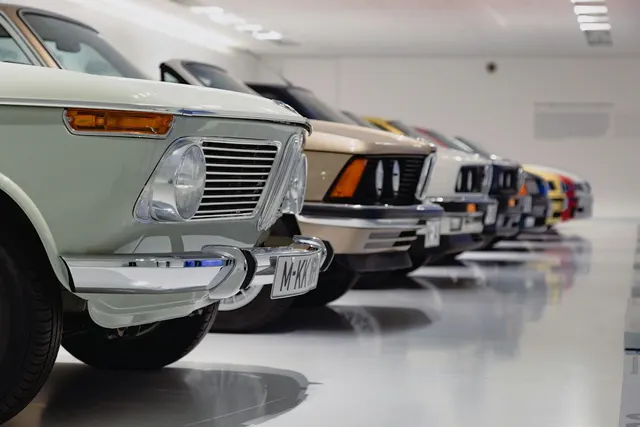
Epoxy costs less upfront and builds thickness well but cures slowly, can yellow in sunlight and may need up to a week before parking.
 ComparisonProfessional epoxy installation vs DIY epoxy kit
A DIY epoxy kit costs a fraction of a professional floor in materials, but most kits are thinner or water-based, and most DIY failures start with preparation done without a diamond grinder.
 ComparisonInterlocking tiles vs Roll-out garage mats
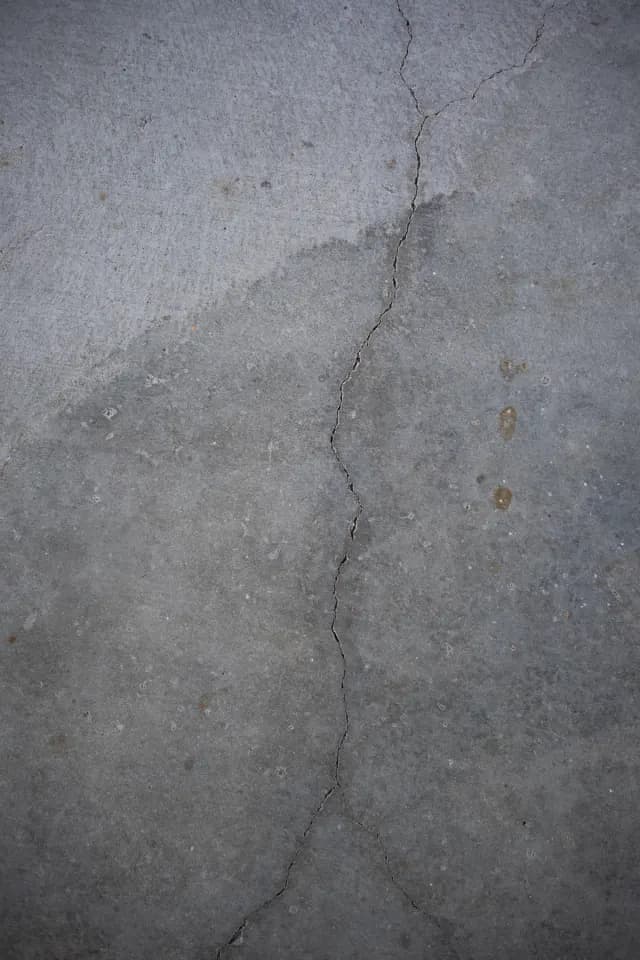
Roll-out mats are the cheapest way to cover a garage slab and suit renters, parking-only bays and short-term needs, but they last only a few years and can trap water.
 ComparisonDiamond grinding vs Acid etching
Diamond grinding mechanically removes the weak top layer, sealers and contaminants and leaves a measurable surface profile that coatings grip reliably.
 Service guideEpoxy Garage Floor Coating
An epoxy garage floor coating is a two-part resin system applied in layers over ground, repaired concrete.
 Service guidePolyaspartic Floor Coating
A polyaspartic floor coating is an aliphatic polyurea system that cures within hours, resists UV yellowing, and tolerates lower application temperatures than epoxy.
 Service guideInterlocking Garage Tiles
Interlocking garage tiles are rigid or flexible modular pieces, usually 12 to 16 inches square, that snap together over the existing concrete without adhesive or curing.
 Service guideConcrete Grinding & Prep
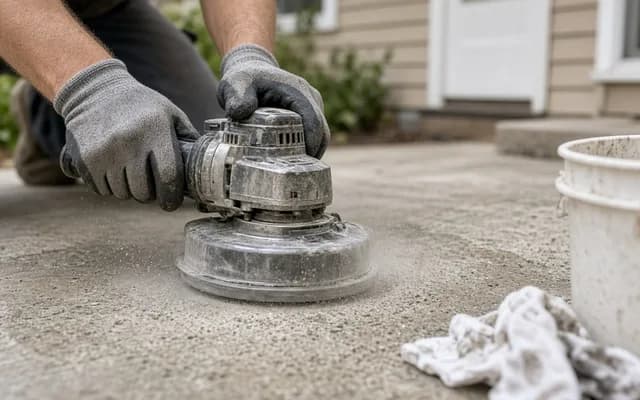
Concrete grinding and preparation means mechanically profiling a garage slab, removing old coatings and contamination, repairing cracks and spalls, and testing moisture so that a bonded coating can adhere.
 Free toolGarage floor cost calculator
Size, material tier and complexity in, a realistic budget range out.
 Free toolWhich garage floor fits your slab and schedule?
8 questions that show what you already know and what to check next.
 Free toolGarage floor polls: how other homeowners decided
See what other planners chose and add your vote.
Tell us the size, the condition of what is there now, and what you want to change. Garage Floor Brief passes your request to independent local professionals, who reply with written, no-obligation estimates. The service is free to use.