What is the main use of your garage?
No votes yet. Yours will be the first. · saved on this device
Loading...
Garage Floor Brief · Planning
Plan a garage floor by defining how the space is used, checking the slab for moisture, cracks and old coatings, deciding how long the garage can sit empty, and choosing a season that suits the chemistry. Then write a one-page brief so every installer prices the same scope. Those steps, not the resin brand, decide most of the cost and most of the outcome.
By Garage Floor Brief editorial · Updated 2026-09-25
A garage floor is a short job with a long planning tail. The actual installation of a coating on a two-car garage usually takes one to three working days, yet the decisions that determine whether it lasts are made weeks earlier: what the garage will be used for, how damaged the concrete is, where the cars and the second refrigerator will go, and whether the proposal specifies preparation in enough detail to hold anyone to it. Skipping those decisions is how homeowners end up paying twice.
This guide walks through the planning in the order it tends to happen. It does not assume you have already chosen a coating over tiles; in fact, several of the steps exist precisely to help you make that choice with evidence from your own slab. Where published figures help, the publisher is named. Where the answer depends on your garage, the guide tells you what to measure or ask so that you can get a real answer rather than a guess.
Start with a plain list of activities rather than a product. Parking two daily drivers, restoring a car on jack stands, woodworking, a home gym, washing a boat, and storing bikes each load a floor differently. The CRAFTSMAN survey by Atomik Research found 53% of Americans use the garage for DIY projects, and the same survey reported that many use it for car maintenance as well. Those uses bring oil, solvents, dropped tools and hot tires, and the floor should be chosen for them.
Think about the next decade rather than the next month. A family that plans to add a vehicle lift, convert part of the space to a workshop, or sell the house in three years has different priorities from one that simply wants the concrete to stop dusting. Resale-minded owners often value a clean, uniform look over maximum durability, while hobbyists care more about chemical resistance and the ability to repair a damaged patch without redoing the whole floor.
Walk the floor with a flashlight held low. Note cracks wider than a credit card, spalled or pitted areas near the door, oil stains that have soaked in, white powdery deposits called efflorescence, and any paint or coating already on the surface. Tape a square of clear plastic to the floor for a day and check for condensation underneath; it is a crude signal, not a measurement, but it tells you whether to press for a proper moisture test.
Write down what you find with photos, because it changes the scope. An existing coating typically has to be removed, which Duration Concrete Coatings prices at three to eight dollars per square foot in its 2026 guide, and that alone can move a two-car job by well over a thousand dollars. Cracks, spalls and oil-soaked concrete add repair time. None of this means a coating is off the table, but it means the proposals must say exactly how each problem will be handled. Note the foundation type too: the same survey shows 53.0% of owner-occupied attached-garage homes sit on a concrete slab, context an estimator can use when judging moisture.
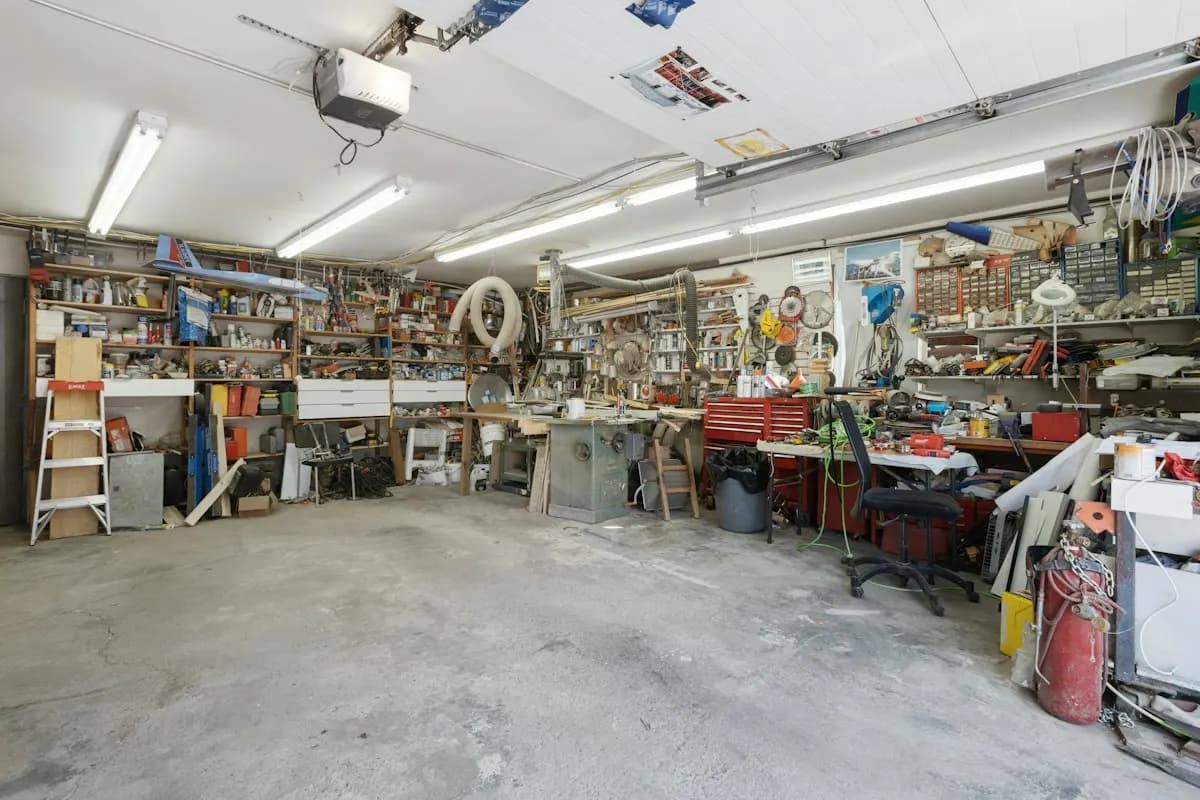
Downtime is a real cost that rarely appears on a proposal. Everything has to come out: vehicles, shelving, bikes, tools and, in many homes, a spare refrigerator. Our analysis of the federal government's 2024 household energy survey found 15.1% of occupied homes keep a second refrigerator in the garage, and 32.0% of owner-occupied homes with an attached garage do. It needs a powered home for several days. Many installers charge extra to move contents, and some will not move them at all.
Cure time sets the length of the disruption. Garage Living's 2026 comparison says epoxy can need up to 7 days before cars return, while Duration reports polyaspartic accepts foot traffic in about an hour and vehicles within a day. If you park inside every night in a place where street parking is limited or winter is harsh, that difference can matter as much as price. Ask each installer for return-to-service times in writing, measured in hours, for foot traffic and for vehicles separately.
Resin chemistry cares about temperature and humidity. Epoxy slows down sharply in a cold garage and can develop a greasy surface film called amine blush when humidity is high. Polyaspartic sets faster, which helps in cool weather but gives the crew less working time on a hot afternoon. Every product has a published minimum slab temperature and a dew-point rule, and a good installer will check both on the day and reschedule if conditions are wrong.
In practice, spring and fall are the easiest seasons in most of the country, and demand tends to bunch there; the 2026 Houzz & Home Study found 50% of surveyed homeowners plan a renovation in 2026, so booking early helps. Winter installs are possible in heated garages or with temporary heat, and summer installs are common in the South if the crew works early. Ask how the installer handles a day that falls outside the product's limits: a proposal that commits to rescheduling rather than pushing ahead is worth more than one that promises a fixed date regardless of weather.
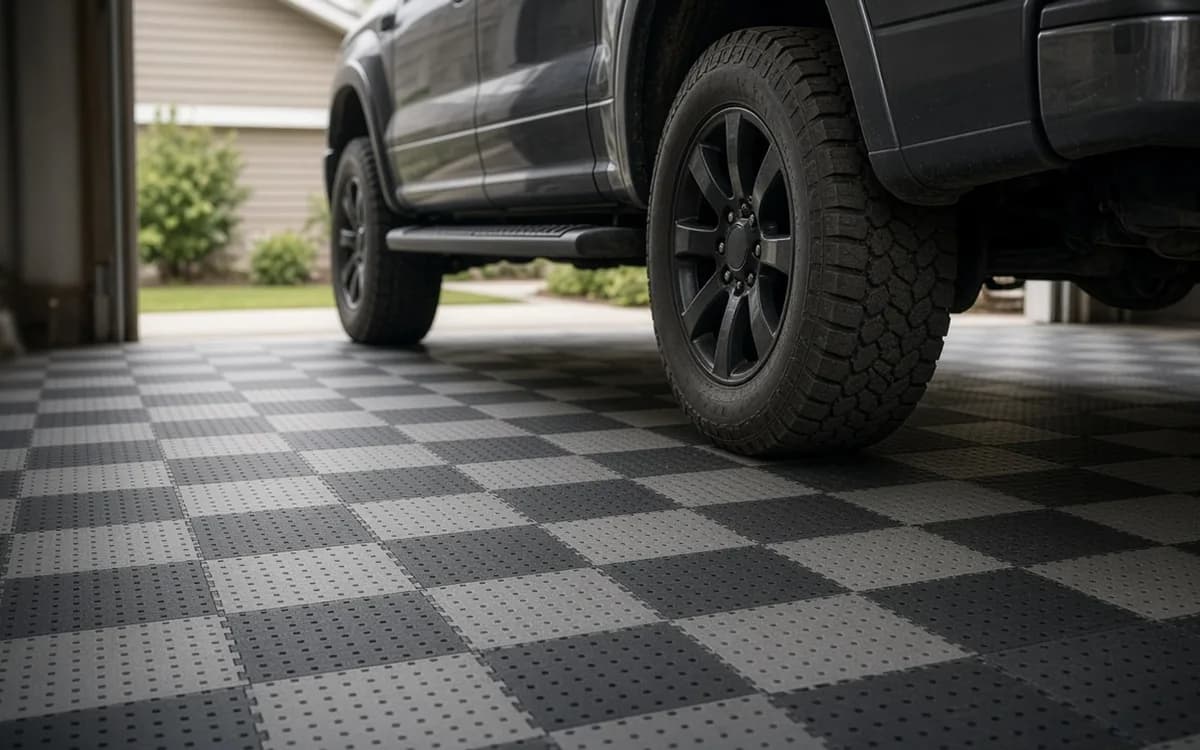
Four questions settle most cases. Does the slab have a moisture problem you cannot fix? Is there a failed coating that would be expensive to strip? Do you rent, or expect to move soon? Do you need the garage back tomorrow? A yes to any of these pushes toward interlocking tiles, which float over the concrete, need no cure time, and can be lifted and taken with you. HomeGuide's 2026 figure for self-installed tiles in a two-car garage is $800–$2,900.
If all four answers are no, a bonded coating is usually the stronger long-term floor, and the choice narrows to chemistry, preparation and budget. The side-by-side at coating versus tiles covers the trade-offs in detail, including noise, cleaning under tiles and resale. Some owners split the difference, coating the parking bays and tiling a workshop corner, which is worth raising at the site visit if your uses are mixed.
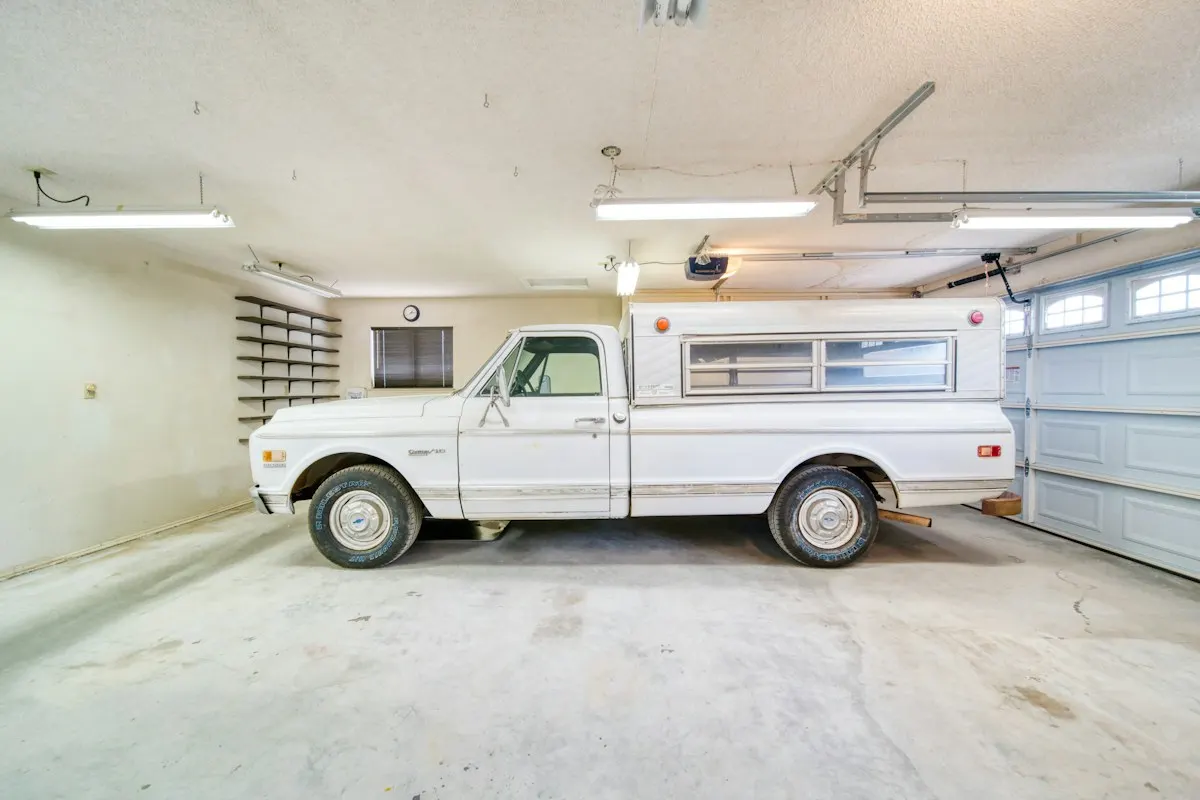
A written brief is the most effective planning tool most homeowners never use. It makes every visiting installer price the same job and exposes proposals that quietly leave something out. Keep it short and factual, attach your photos, and send it before the visit so the installer arrives with the right moisture meter and sample tools rather than a brochure.
Three written proposals usually show you the market without eating weeks of weekends. Line them up in a simple table with the same rows: preparation method, moisture test and result, crack and joint repair, each coat with product name and thickness, stem walls, cure times, warranty and what it excludes, and total price. Gaps become obvious immediately. A proposal with the lowest price and the most blank rows is rarely the cheapest floor over ten years.
Once the rows are filled, check the totals against published ranges. Duration's 2026 guide puts a coated two-car garage at $1,600–$6,900 nationally, and the 2026 cost guide breaks that down further. A figure far outside the band is not automatically wrong, but it deserves a question. When you are ready, the request form connects you with independent local professionals for free written estimates.
Homeowner polls
No votes yet. Yours will be the first. · saved on this device
No votes yet. Yours will be the first. · saved on this device
No votes yet. Yours will be the first. · saved on this device
Four to eight weeks is comfortable for most homeowners. That leaves time to request proposals, have two or three site visits, compare them, and book a date in a season that suits the product. In spring and fall, established installers can book several weeks out, so starting early also improves your choice of dates rather than accepting whatever opening remains.
Clear enough floor for the installer to test moisture in a few spots, grind a small sample area if they offer to, and see the worst cracks and stains. You do not need an empty garage for the visit, but a floor hidden under boxes produces a vaguer proposal. Move vehicles out for the visit so the installer can see the tire paths and any oil damage.
Yes, if the installer offers it. A small ground patch shows how hard the concrete is, whether there is a hidden sealer or old coating, and how the surface looks once the weak top layer is gone. It takes minutes and turns guesswork about preparation into an observed fact, which makes the resulting proposal far more reliable than one written from the doorway.
Mention it in the brief. A drain changes how the floor is sloped, how the coating is terminated at the grate, and how much water will sit on the surface. Tiles over a drained slab need a plan for water to reach the drain rather than pooling underneath. The permits guide also explains when altering or adding a drain requires a plumbing permit.
Yes, and the order matters. The floor should normally go down first so that cabinets sit on the finished surface and the coating runs cleanly to the walls. If cabinets are already installed, ask whether the installer will coat around them or requires them removed. Wall-mounted storage that leaves the floor clear makes both installation and later cleaning easier.
Often. A detached garage may lack reliable power for grinders and dust collection, may be unheated in winter, and may sit on a thinner slab with no vapor barrier. Tell installers in the brief so they can bring a generator or temporary heat and test moisture more carefully. Some prices rise for detached buildings because of the extra equipment and travel between house and garage.
Empty the garage completely, arrange somewhere for vehicles and the spare refrigerator, and confirm the start date against the forecast. Ask whether the crew needs water and power access, and whether they need the house door kept closed during grinding. Keep pets and children away on install day, and plan to ventilate the house if the product has a noticeable odor.
You are ready when you can state the system, the preparation method, the moisture result, the cure time, the warranty terms and the total price for your chosen proposal, all in writing. If any of those are still verbal promises or blanks, ask for them before signing. A proposal that can answer every row of your comparison table is one worth booking.
 Service guideConcrete Grinding & Prep
Concrete grinding and preparation means mechanically profiling a garage slab, removing old coatings and contamination, repairing cracks and spalls, and testing moisture so that a bonded coating can adhere.
 Service guideEpoxy Garage Floor Coating
An epoxy garage floor coating is a two-part resin system applied in layers over ground, repaired concrete.
 Service guideInterlocking Garage Tiles
Interlocking garage tiles are rigid or flexible modular pieces, usually 12 to 16 inches square, that snap together over the existing concrete without adhesive or curing.
 CostsGarage floor coating cost in 2026: every system, every garage size
A professionally coated two-car garage costs roughly $1,600 to $6,900 in 2026 according to Duration Concrete Coatings, with epoxy toward the low end and polyaspartic toward the high end.
 MaterialsGarage floor materials: what each system is made of and how it fails
Garage floors fall into three families: bonded resin coatings such as epoxy and polyaspartic, loose-laid interlocking tiles, and roll-out mats.
PermitsDo you need a permit for a garage floor? Codes, inspections and HOA rulesA coating or tile floor laid over an existing garage slab usually needs no building permit, because it is treated as a surface finish.
 Free toolGarage floor cost calculator
Size, material tier and complexity in, a realistic budget range out.
 Free toolGarage floor comparisons
Side-by-side tables for the decisions that change the price most.
 Free toolWhich garage floor fits your slab and schedule?
8 questions that show what you already know and what to check next.
 Free toolGarage floor polls: how other homeowners decided
See what other planners chose and add your vote.
Tell us the size, the condition of what is there now, and what you want to change. Garage Floor Brief passes your request to independent local professionals, who reply with written, no-obligation estimates. The service is free to use.